The water line to your house, from the main to the tap.
Lead service lines and what each city does about them, old galvanized and Poly-B pipe, weak pressure, frost, and how a service line is replaced, with or without a trench.
Water service line replacement means replacing the buried pipe that carries drinking water from the municipal main to a building. In Canada the utility usually owns the part from the main to the property line or curb stop and the owner owns the rest. Common reasons are lead or galvanized pipe, leaks, freezing and low flow; the new line is usually copper, polyethylene or PEX, laid in a trench or pulled in trenchlessly.
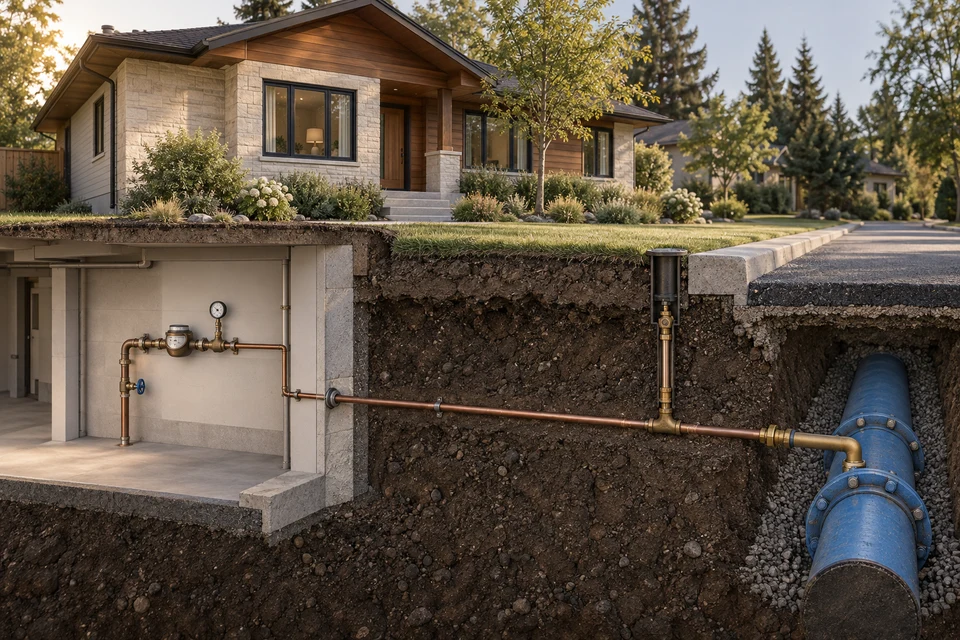
Follow the water from the street main to your taps, then replace the line
Choose what each side of the service is made of, how scaled an old galvanized line is, the street pressure, the pipe size and how many taps are running. Then play replacement day and watch the old line come out.
What the model shows, in words
Two owners, one pipe
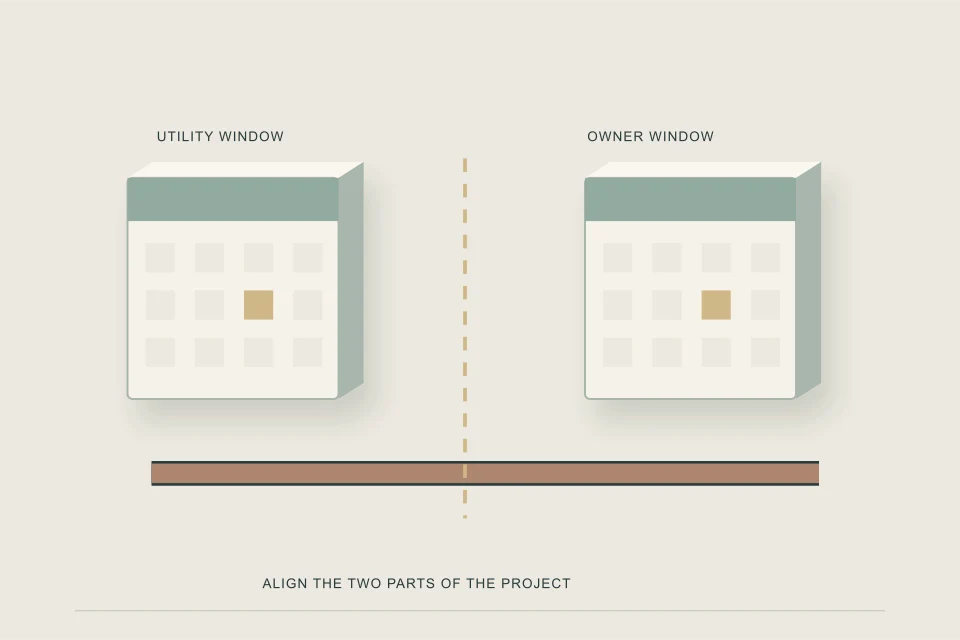
The service is drawn as it usually splits in Canadian cities: the utility side runs from the main to the curb stop near the property line, and your side runs from there to the foundation. You can set the two sides to different materials, which is exactly what happens when only one owner has replaced their part. The city programs page shows where each utility puts the split and who pays for which half.
Lead shows up as particles in the flow
Pick lead on either side and pale particles travel with the water toward the taps, a picture of what Health Canada describes when it calls lead service lines the most significant likely source of lead in drinking water. Make only one side new and the panel flags a partial replacement, because disturbed lead left in the ground can keep shedding particles for months. The Lead Water Line Check applies the same rules to your house.
Scale steals flow before it steals pressure
Choose galvanized and move the scale slider: the cross-section closes up and the flow readout drops, most sharply when a sink or a bath is added to the shower. Friction is calculated with the standard Hazen-Williams formula over representative lengths and bores, so the numbers are illustrative. They show why a house can read decent pressure with one tap open and still run out of water with three.
High street pressure brings in a valve
Push the street pressure above 80 psi and a pressure-reducing valve appears after the meter, set at 60 psi. That follows the plumbing code rule for static pressure above 550 kPa and the 40 to 60 psi range the City of Calgary suggests for homes. The gauge shows what is left at the taps after the climb to the upper floor and the pipe friction. The pressure diagnosis reads a real gauge the same way.
Replacement day, in six steps
Play runs a compressed version of a service replacement: locates, the curb stop shut, pits dug, the old line out and new polyethylene in on both sides, the connection tested, then flushing. The water goes off in the middle, as it does on the real day. At the end the lead readout does not simply say zero; it asks for flushing and follow-up testing, which is what Health Canada recommends after lead work. The replacement process guide covers each step.
What is going on with your water line?
Pick the closest match. Each path goes to the guide that answers it in full.
Lead Water Line Check
The Lead Water Line Check scores how likely it is that your water service line is lead. It weighs your house's build year against your city's own statement of when lead was used, what the pipe looks like where it enters, a scratch and magnet test, the utility's record and any water test. It returns a likelihood band, the reasons behind it, your city's program and next steps based on Health Canada advice.
How the Lead Water Line Check works →
Also freeLow Water Pressure Diagnosis
Low water pressure? Enter where and when it happens, your pipes, PRV and any gauge or flow reading to rank the likely causes, with a test for each.
Lead Water Line Check
Read these first
Lead service lines
Where lead was used, why it matters most for children, and what full replacement means.
CornerstoneCity programs
Ownership splits, grants, loans and deadlines, city by city, from each utility's own pages.
CornerstoneLow water pressure
Pressure versus flow, the valves and pipes that steal it, and the tests that find it.
CornerstoneReplacement, step by step
Locates, permits, the curb stop, the day of the work, testing and flushing.
What it looks like down there
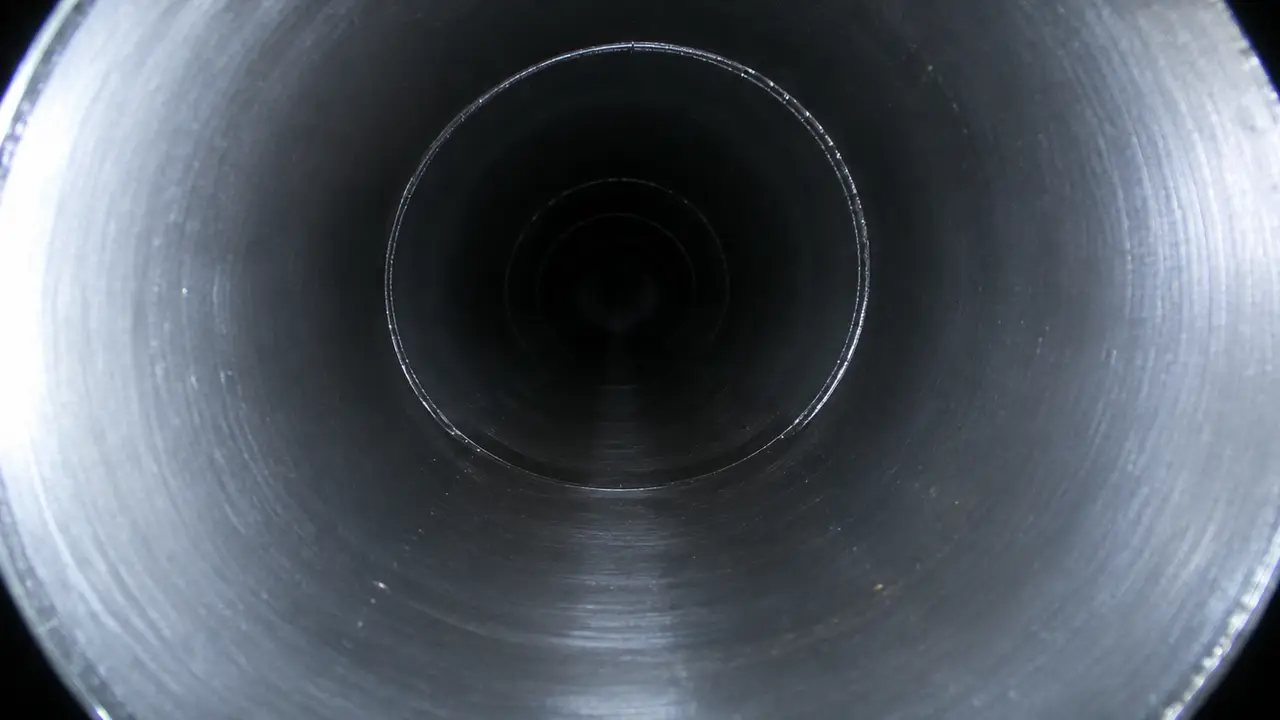
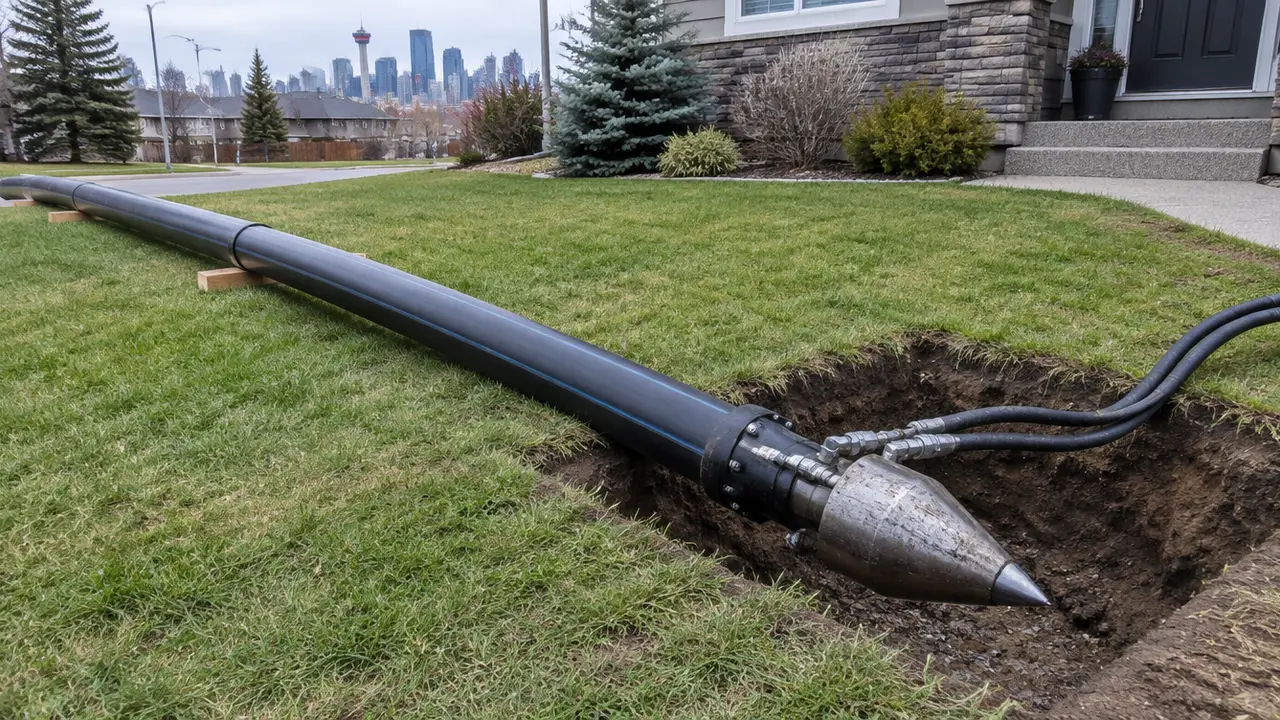
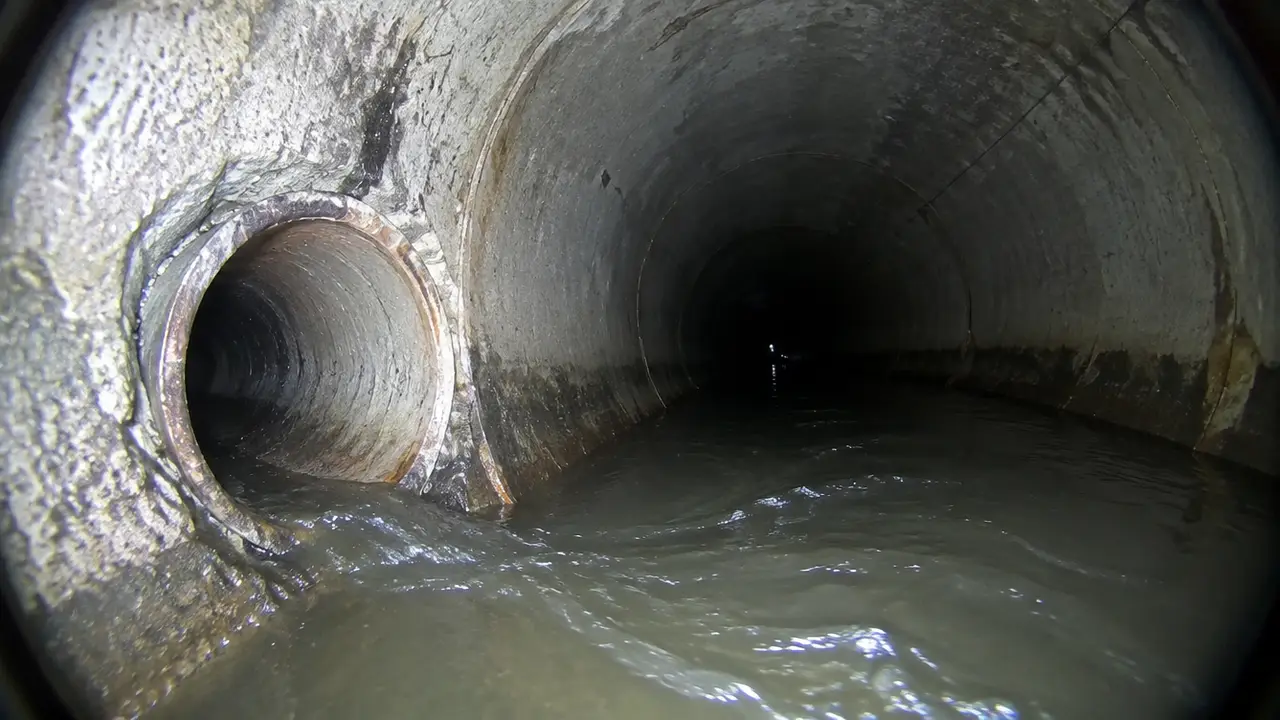
Illustrations of what this work involves and what a camera or a trained eye picks up. Every guide on WaterMainReplacement.ca carries more like these.
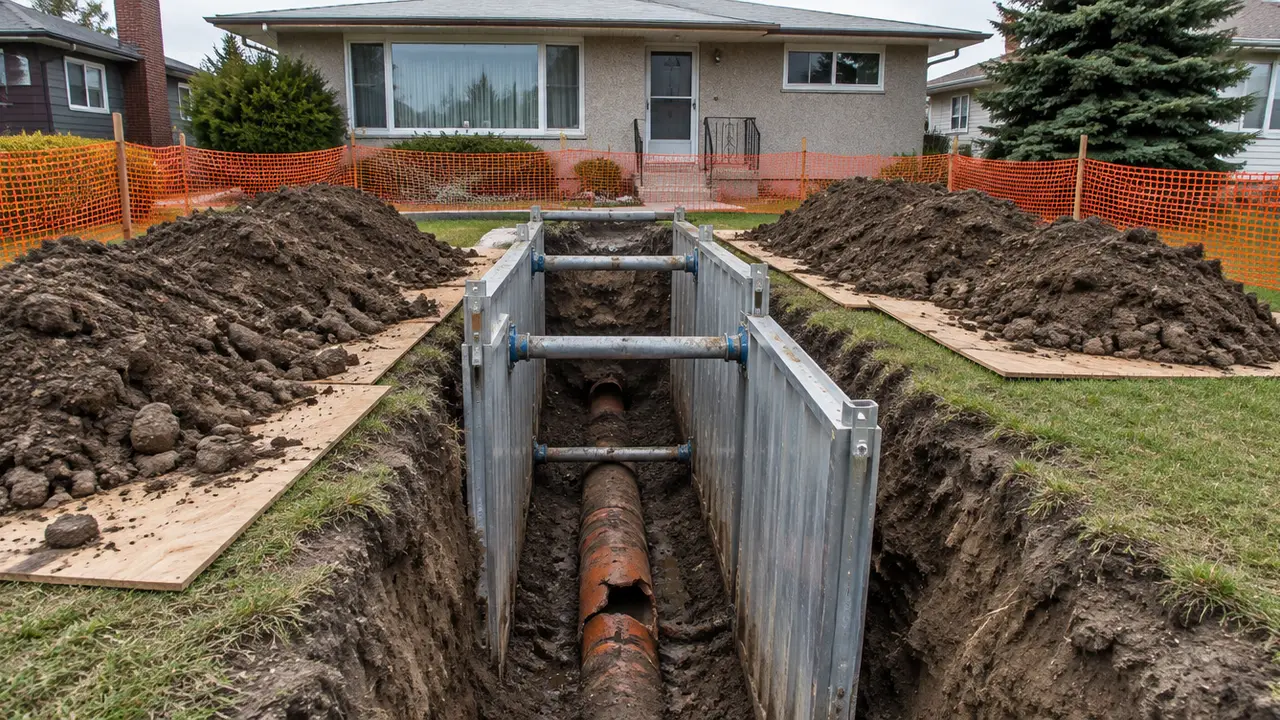
01 /What is a water service line, and who owns it?
A water service line is the pipe that leaves the public water main under the street and ends inside your foundation wall. It starts at a corporation stop tapped into the main, runs under the boulevard to a curb stop that lets the utility shut off your supply, crosses your yard below frost, and comes up into the basement where the main shut-off valve and the meter sit. In most Canadian cities it is one pipe with two owners.
Where the ownership changes is a local rule. Toronto, Hamilton, Montréal, Regina and Saskatoon split it at the property line; Ottawa and Winnipeg describe the split at the shut-off valve near the property line; EPCOR in Edmonton owns its side up to the property line and the curb stop valve. That split decides who pays for which metres, who books the work, and why a city can replace its half and leave yours. The water service line guide follows the pipe part by part, and who pays for water line repair covers leaks, insurance and responsibility.
02 /Why are so many cities replacing lead water lines?
Because lead pipe is the biggest single source of lead in tap water where it is still in the ground. Health Canada says the most significant source of lead in drinking water is likely to be lead service lines, and it set the guideline for lead at 0.005 milligrams per litre in 2019. It also notes that the National Plumbing Code accepted lead as a material for the pipes that bring water to homes until 1975, so the risk sits in older neighbourhoods, though each city's own era is narrower.
| City | Approach | Owner cost help |
|---|---|---|
| Halifax | Utility replaces both sides at no cost to the owner, all by 2038 | Up to $20,000 funded per replacement |
| Montréal | Private replacement mandatory; City bills its average per metre | Payment over up to 15 years on the tax account |
| Toronto | City replaces its side on priority once the owner commits | No grant or loan for the private side |
| Saskatoon | Both sides replaced together by January 1, 2029 | Owner pays 40% of the total cost |
| Calgary | City replaces its side when the owner is ready to replace theirs | Filter rebate; free tap water sampling |
What every program tries to avoid is a partial replacement. Health Canada says partial lead service line replacements are generally not recommended, and that after one, lead particles may detach from the remaining pipe for two to three months. The lead service line guide explains the health side, and lead service line replacement explains how full replacement is coordinated. Every city page is listed under city programs.
03 /What else wears out a water line?
Lead is the health problem; the others are mostly flow and leak problems. Galvanized steel, common in houses built before 1960 according to the City of Calgary, rusts from the inside until the bore closes up and flow collapses, and it can hold lead released upstream. Polybutylene, a light grey plastic installed from 1978 to 1995 by Calgary's account, worries insurers more than it fails in Canada. Old copper can pinhole, and any service laid too shallow can freeze under a cleared driveway.
Start with the free Low Water Pressure Diagnosis if the problem is pressure, and the Lead Water Line Check if it is the pipe material. Galvanized lines, Poly-B and frost each have their own guide.
04 /How is a water service line replaced?
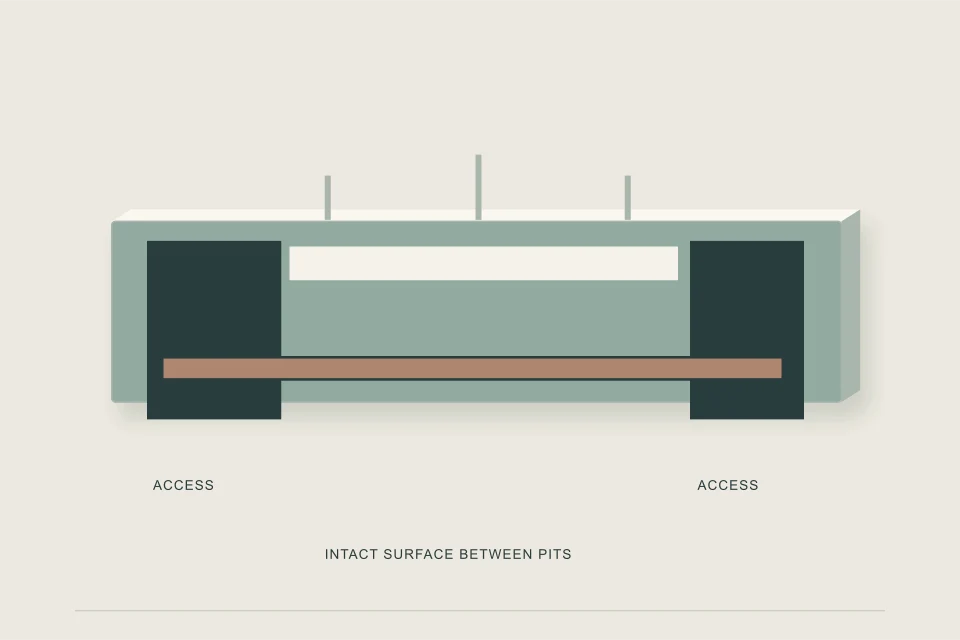
Either in an open trench or trenchlessly between two small pits, one near the curb stop and one at the house. Trenchless options for a water service include pulling the old pipe out while the new one follows, splitting or bursting the old pipe in place, and boring a fresh path with a piercing tool or a small directional drill. The new pipe is usually type K copper, polyethylene or PEX, whatever the utility and the provincial code approve for a buried service.
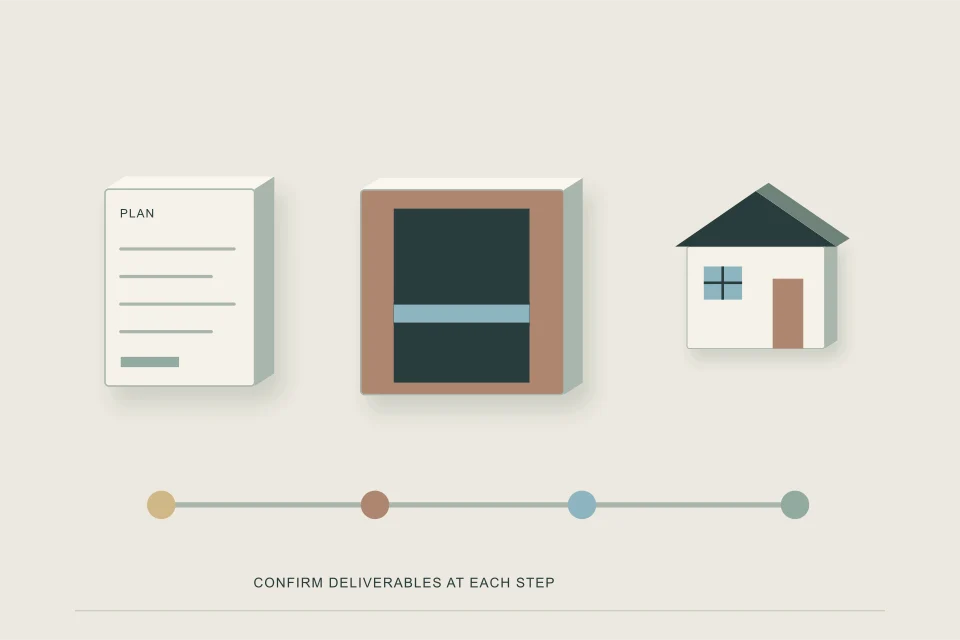
- Confirm the material and the split
The utility's record and a look at the entry pipe tell you what is there and who owns what.
- Check the program
Many cities require approval or a permit before work if you want the grant, loan or the city's side replaced.
- Locates and permits
Public utilities are marked through the provincial one-call service; the private line needs its own locate.
- Replace and connect
The curb stop is shut, the line is replaced, a new shut-off is fitted inside, and the line is tested.
- Flush and follow up
Flush as the utility instructs, and test for lead after any lead work.
The replacement process guide goes step by step, trenchless water line replacement compares the no-trench methods, and copper, PEX or polyethylene compares materials. When you are ready, send your details and the HAUSE desk will reply with next steps.
05 /Who is behind WaterMainReplacement.ca?
WaterMainReplacement.ca is part of the HAUSE network, an independent information and service-request network. HAUSE is not a plumbing or excavation contractor and does not do the work. City facts on this site are taken from each utility's own website or reports and marked with the month they were checked; health information comes from Health Canada. Trenchless bursting in depth is covered on sister site PipeBursting.ca. Terms are defined in the glossary, and short answers are in the FAQ.
Every guide on WaterMainReplacement.ca
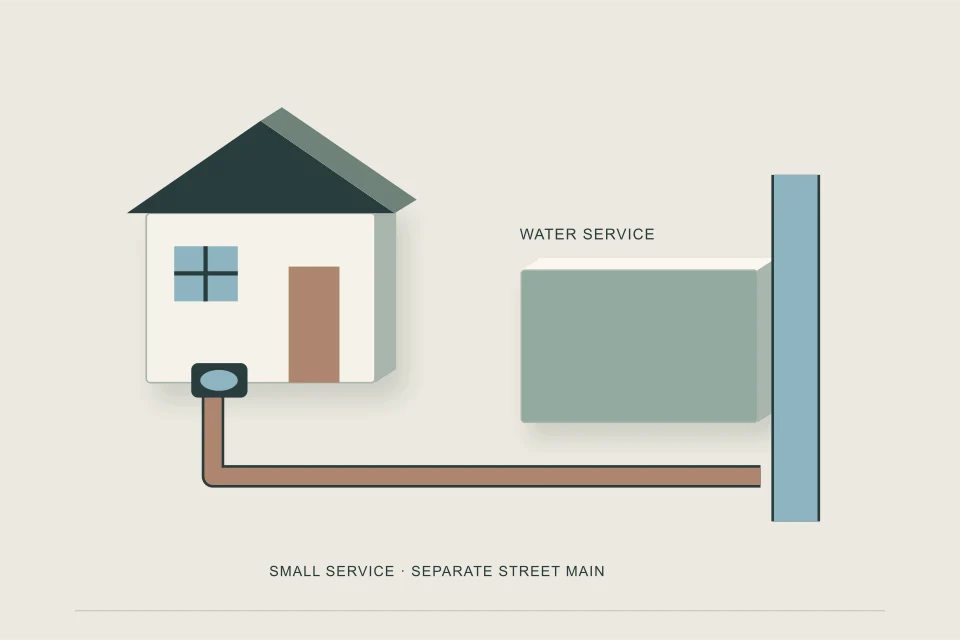
What is a water service line?
What a water service line is: the corporation stop, curb stop, service pipe, main shut-off and meter, how deep it runs, its size and who owns it.
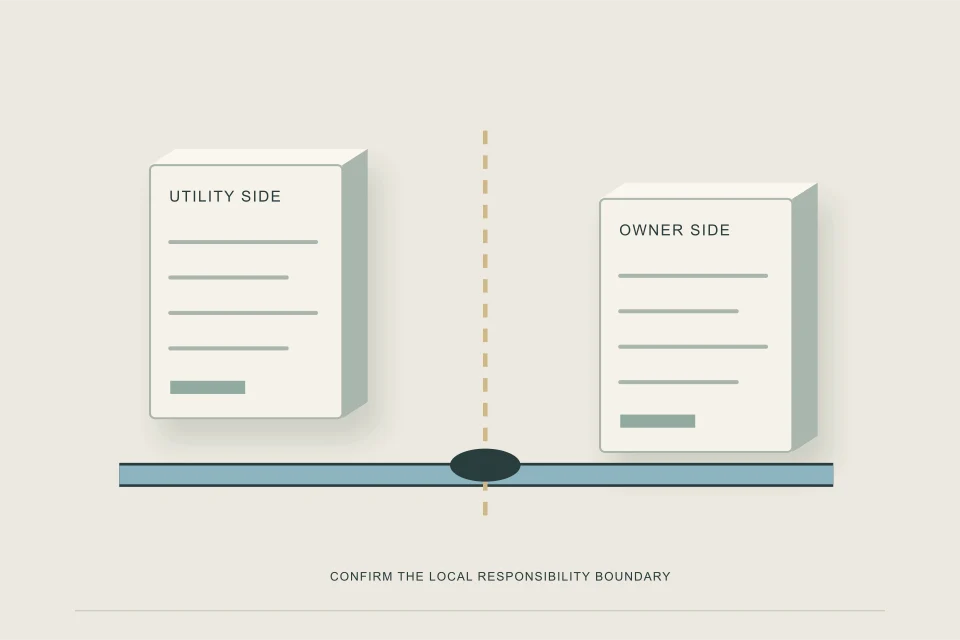
Who pays for water line repair: the city or the homeowner?
Who pays for a leaking or broken water service line in Canada: where the utility side ends, leaks, freezing, lead programs and home insurance.
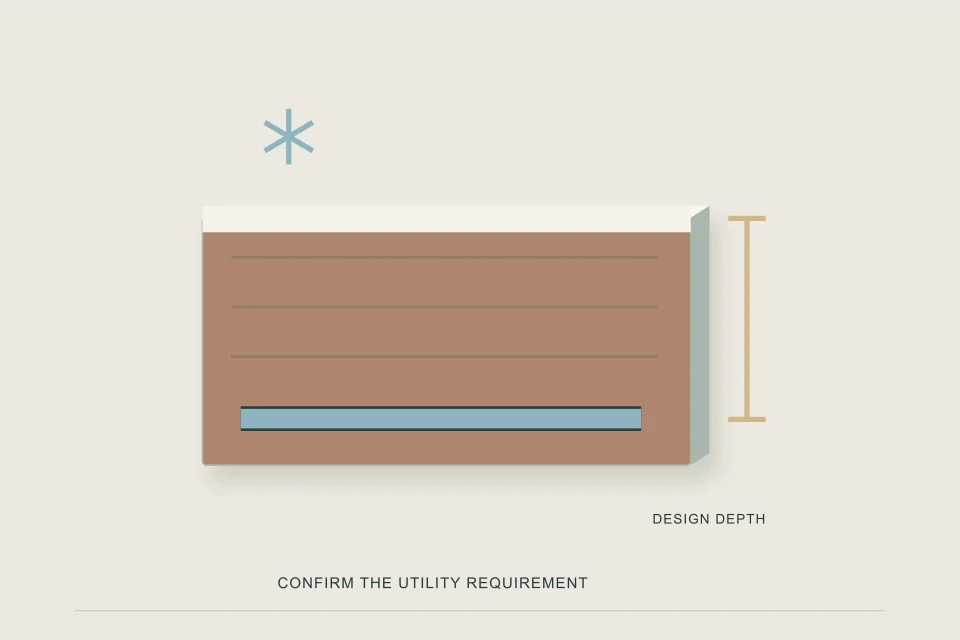
Frost depth and your water service line
How deep water service lines are buried in Canadian cities, why frost goes deeper under driveways, signs of a freezing service, and lasting fixes.
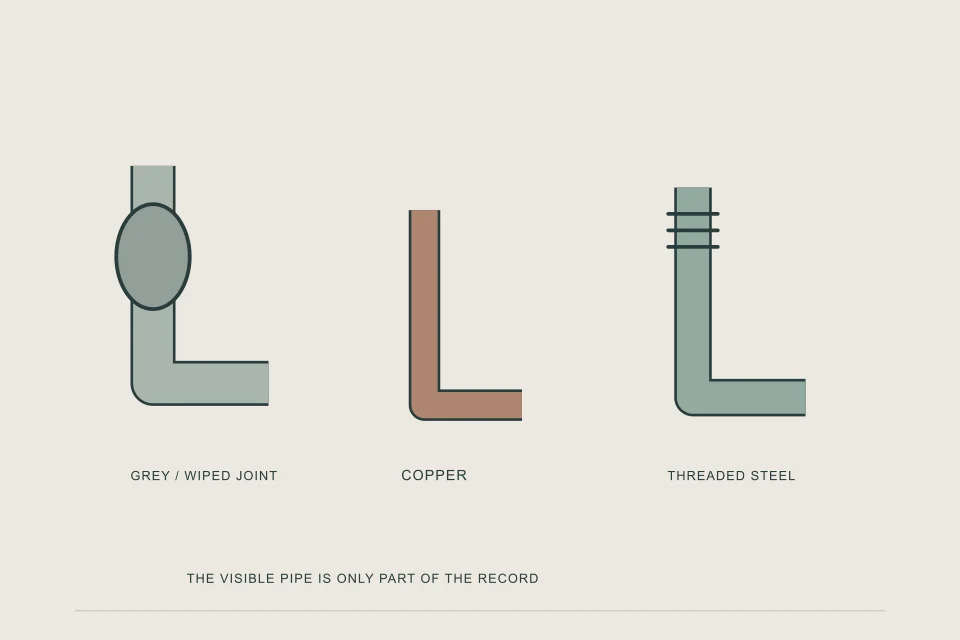
How to identify a lead water pipe
How to tell if your water pipe is lead: where to look, what lead looks like, the scratch and magnet tests, joints, utility records and why to test.
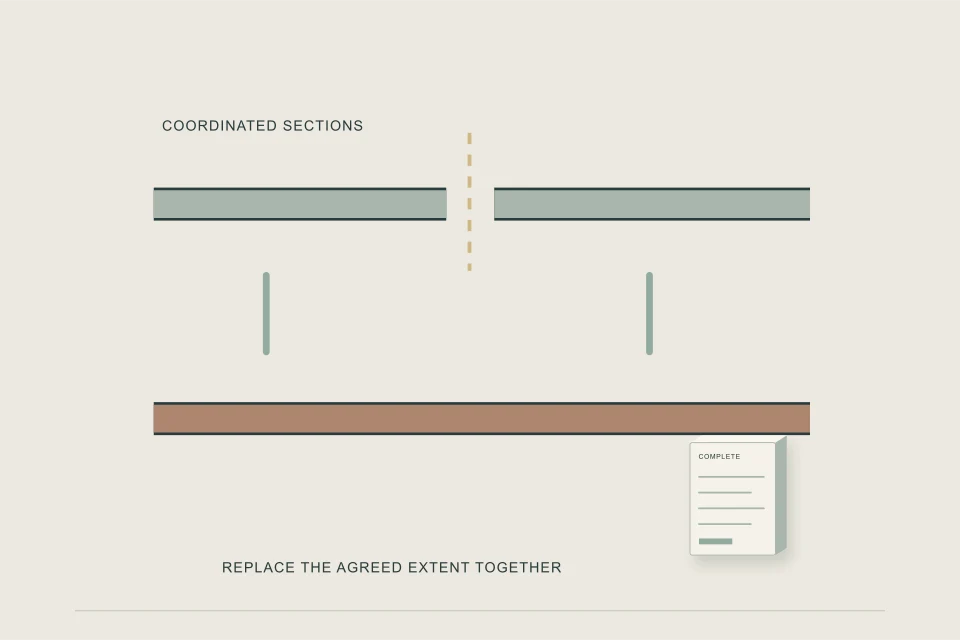
Lead service line replacement: doing both sides, in the right order
How a lead water service is replaced in Canada: full vs partial, the four ways cities coordinate both sides, the work day, flushing and testing.
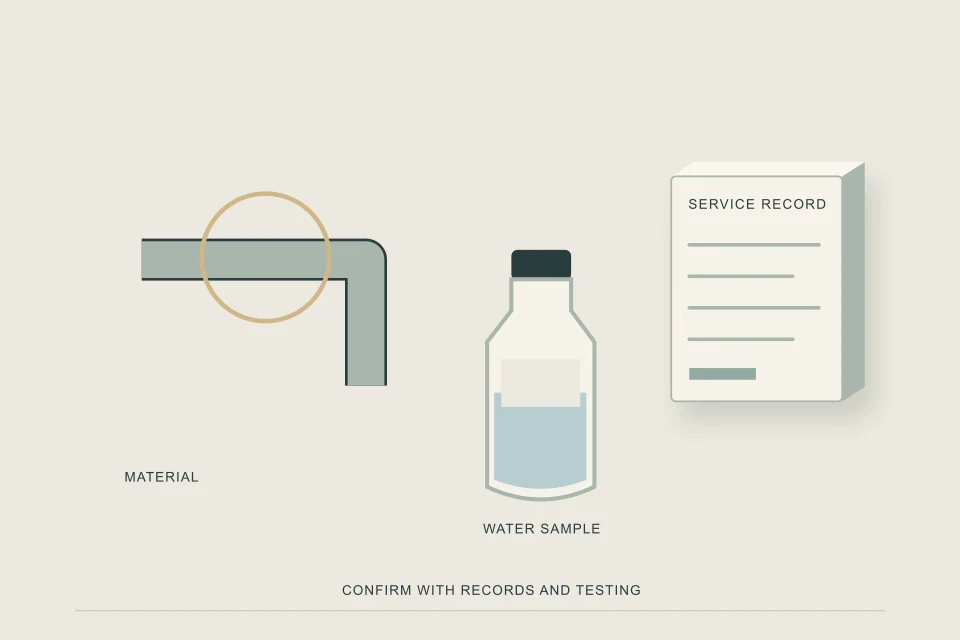
Lead water service lines: are they dangerous, and what should you do?
Lead water pipes in Canadian homes: when they were used, why they matter most for children and pregnancy, whether they are legal, what to do.
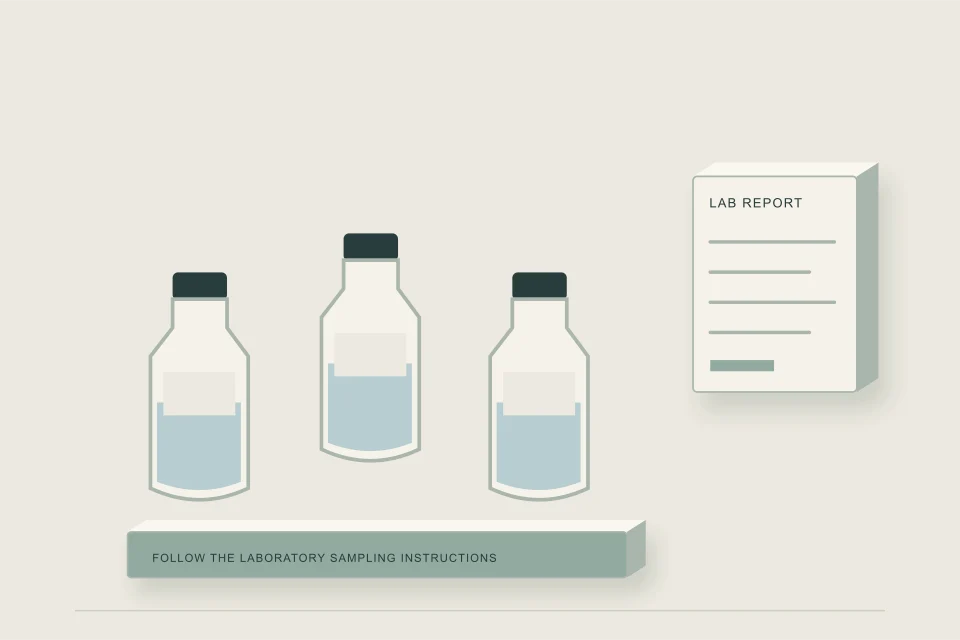
Testing your tap water for lead
How to test tap water for lead in Canada: free city testing, how samples are taken, what µg/L results mean against the guideline, and filters.
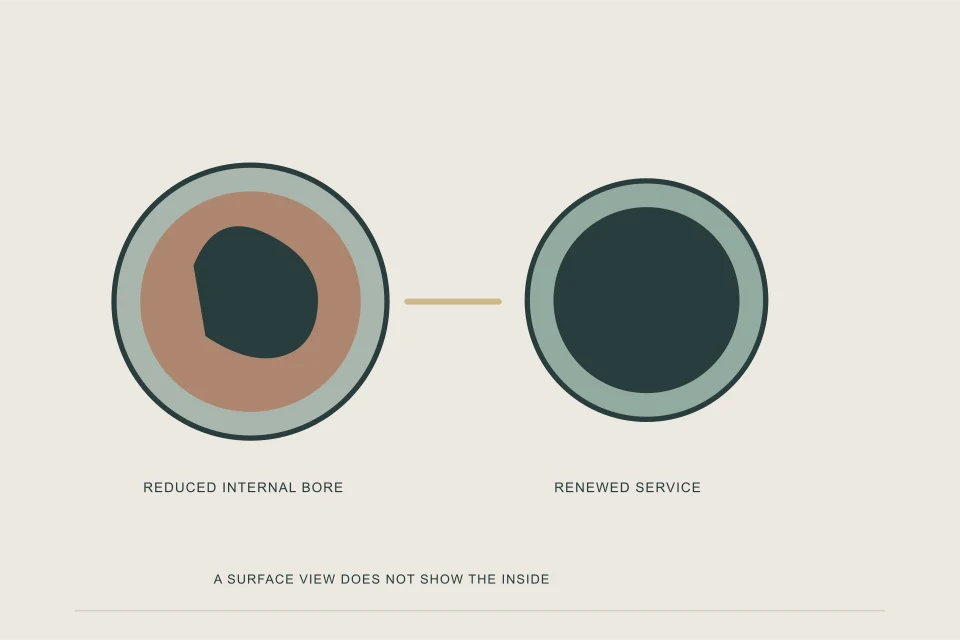
Galvanized water lines: why they fail and when to replace them
Galvanized steel water lines: how they corrode shut, the warning signs, the lead they can hold, and replacing the service and house piping in order.
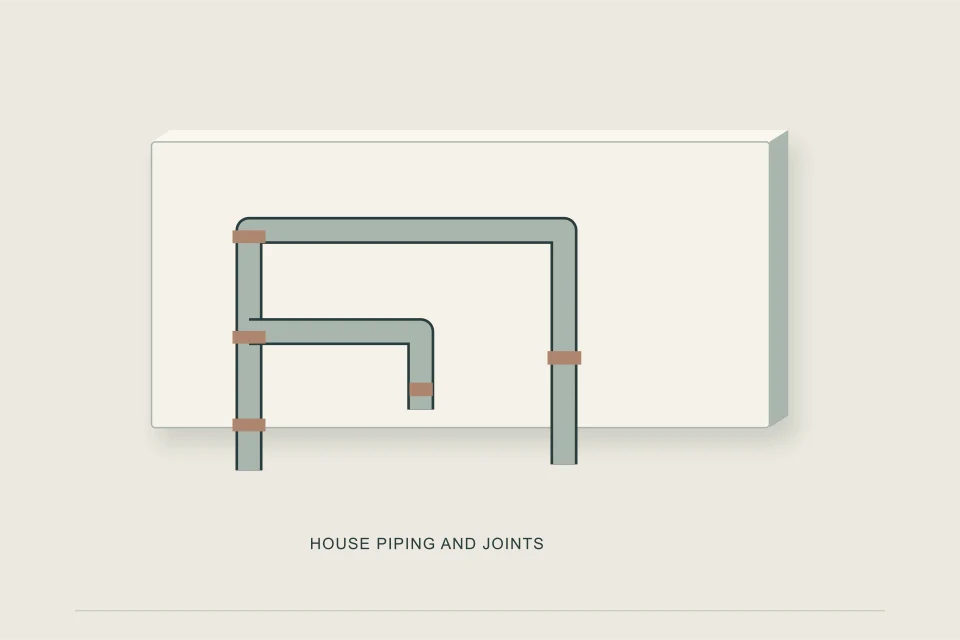
Poly-B (polybutylene) water piping: keep it or replace it?
Poly-B water piping in Canadian homes: how to identify it, why fittings matter, Calgary's advice on pressure and heat, insurers, and replacement.

Copper, PEX or polyethylene for a new water service line
Choosing pipe for a new water service in Canada: type K copper, polyethylene and PEX compared on joints, thawing, trenchless use, size and code.
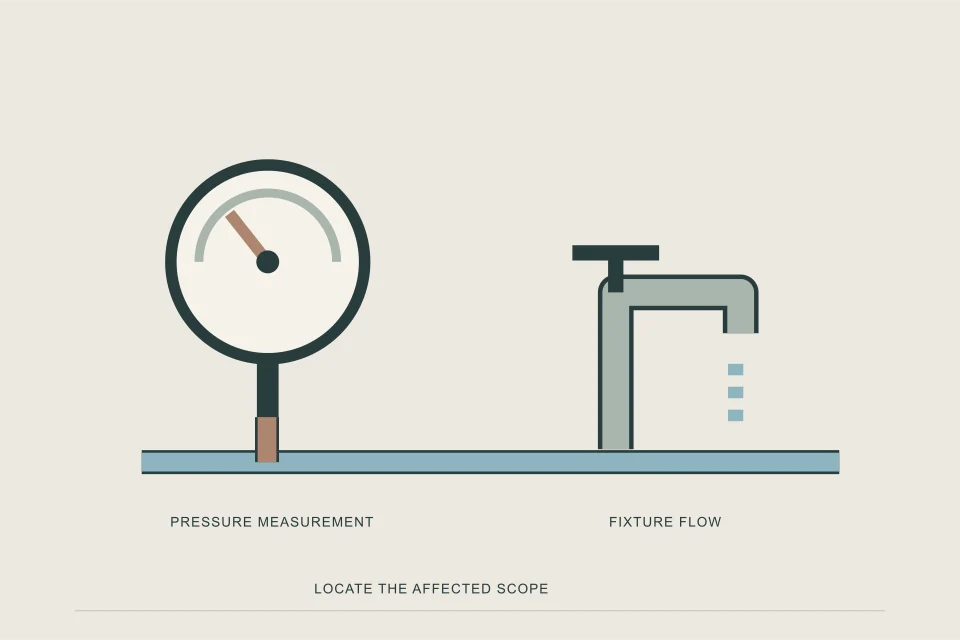
Low water pressure in the whole house: what causes it and how to find it
Why a house has low water pressure: valves, pressure-reducing valves, galvanized scale, the service line, leaks, softeners, frost and the city.
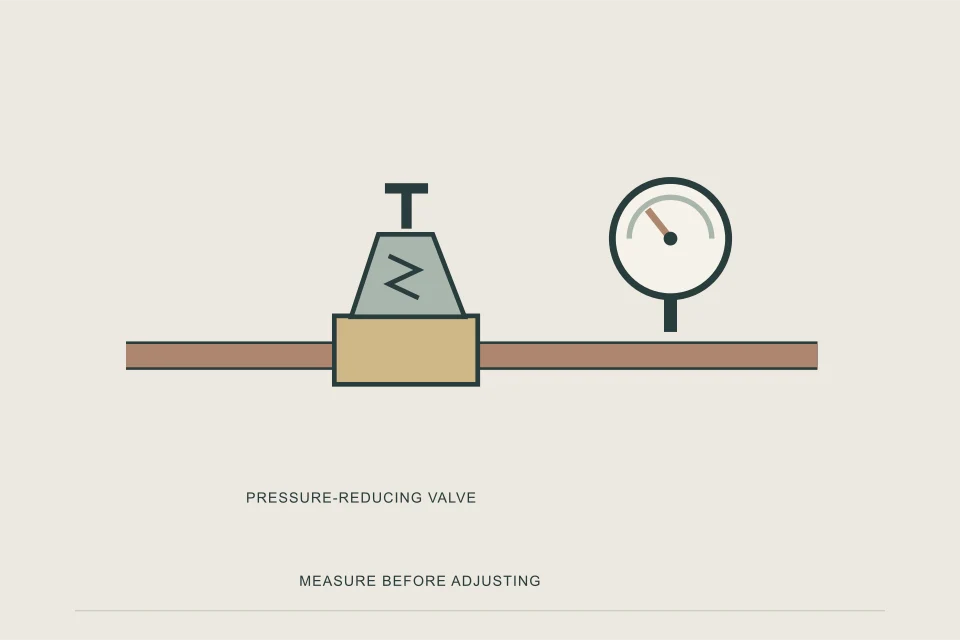
Pressure-reducing valves: lowering high water pressure, and what goes wrong
What a pressure-reducing valve does, when the code requires one (550 kPa), how to tell if it is failing, lowering house pressure, expansion tanks.
Trenchless water line replacement: four ways to skip the trench
Trenchless water service replacement: pulling the old line out, splitting or bursting it, moling and small directional drilling, risks and pits.
Replacing a water service line, step by step
The water service replacement process: records, city programs, quotes, permits, locates, the curb stop, main shut-off, testing and restoration.
Water service line replacement cost in Canada
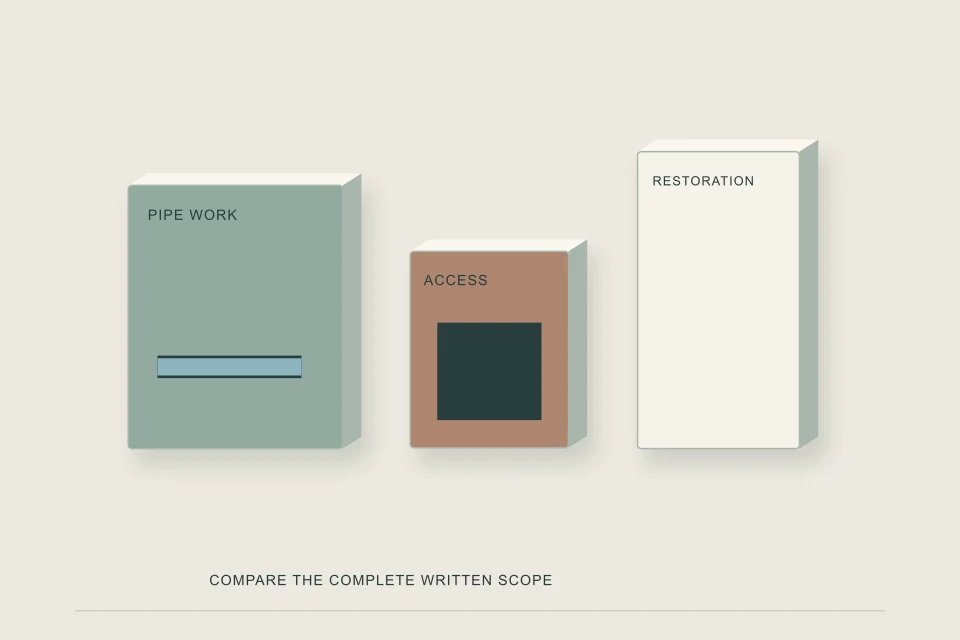
What replacing the water line from the street to your house costs in Canada: published city figures, per-metre pricing, cost drivers, grants and loans.
Lead Water Line Check
Is your water service line lead? Enter your city, build year, the pipe at the meter, a magnet and scratch test, records and tests for a likelihood.
Low Water Pressure Diagnosis
Low water pressure? Enter where and when it happens, your pipes, PRV and any gauge or flow reading to rank the likely causes, with a test for each.
Lead service line programs, city by city
Canadian lead service line programs compared: ownership splits, grants, loans, cost shares, deadlines and free testing in 13 cities, checked in 2026.
Calgary: lead water service lines and who owns the pipe
Calgary water service lines: the property-line split, lead from 1939–1947, why the City waits for owners, free tap sampling, cover depth and pressure.
Edmonton: lead water service lines and EPCOR
Edmonton lead water service lines: EPCOR's side versus yours, why partial replacement is avoided, free testing and NSF 53 filters, and service depth.
Guelph: lead service replacement grant
Guelph lead service replacement: the City side at no cost, grants up to $2,000 for your side, the permit-first rule, filter rebates and free tests.
Halifax: Get the Lead Out
Halifax Water's Get the Lead Out: free replacement of both sides of lead service lines by 2038, the 25% rebate route, the lateral loan and testing.
Hamilton: lead water service replacement
Hamilton lead water pipe replacement: property-line ownership, the City side in 12–16 weeks, the $3,000 water-bill loan, permits and testing.
London, Ontario: lead water service replacement
London, Ontario lead water services: property-line ownership, the City side replaced free, the ten-year tax-bill loan for your side, and free tests.
Montréal: lead water service lines (entrées d'eau en plomb)
Montréal lead service lines: the mandatory private replacement, the per-metre cost the City bills, 15-year payment, free screening and filters.
Ottawa: the Lead Pipe Replacement Program
Ottawa's Lead Pipe Replacement Program: the shut-off valve ownership split, full or private-only replacement, at-risk homes and free filters.
Québec City: private lead service connections
Québec City lead water connections: the by-law requiring private replacement within four years, the $2,500 grant, free testing and filter pitchers.
Regina: lead service connection replacement
Regina's lead service connection program: mandatory private replacement, interest-free deferral up to $10,000, filter rebates and the 2036 target.
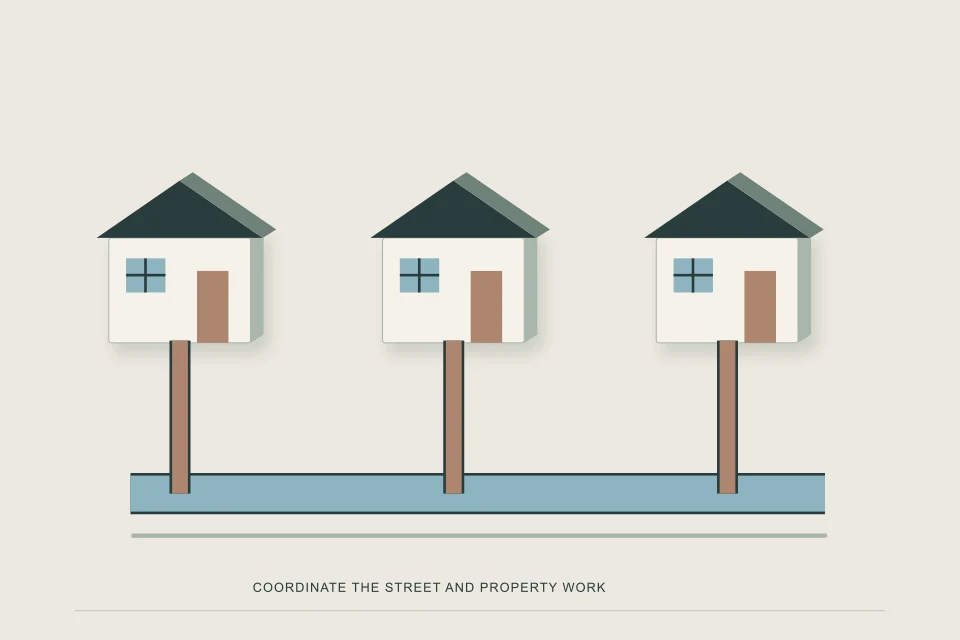
Saskatoon: lead water service line replacement
Saskatoon lead service line replacement: both sides replaced together by January 1, 2029, the homeowner's 40% share, no partials, and testing.
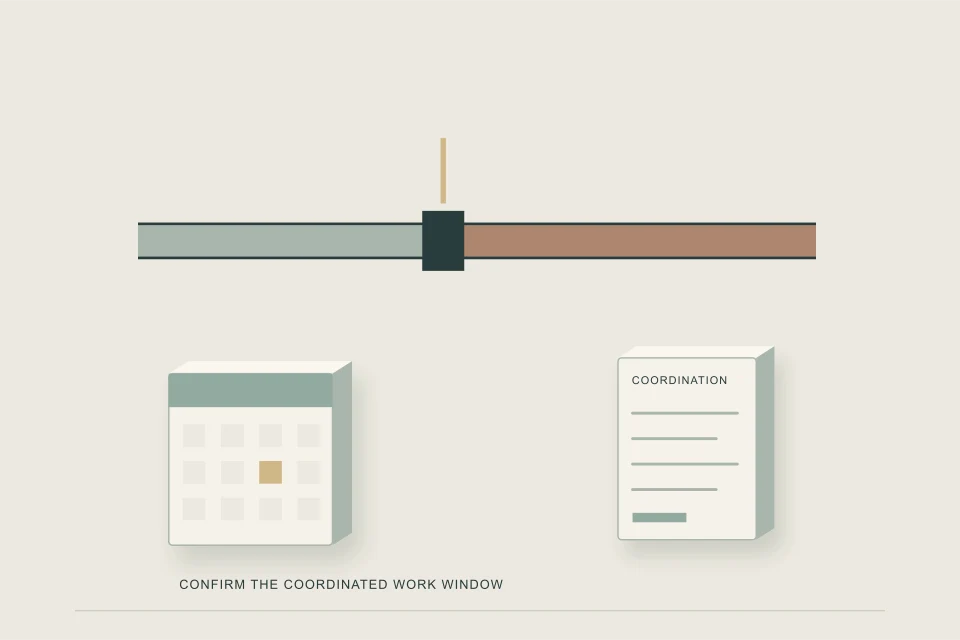
Toronto: replacing a lead water service
Toronto lead water service pipes: who owns which side, the Priority and Capital replacement programs, free testing, filter rebates and private cost.
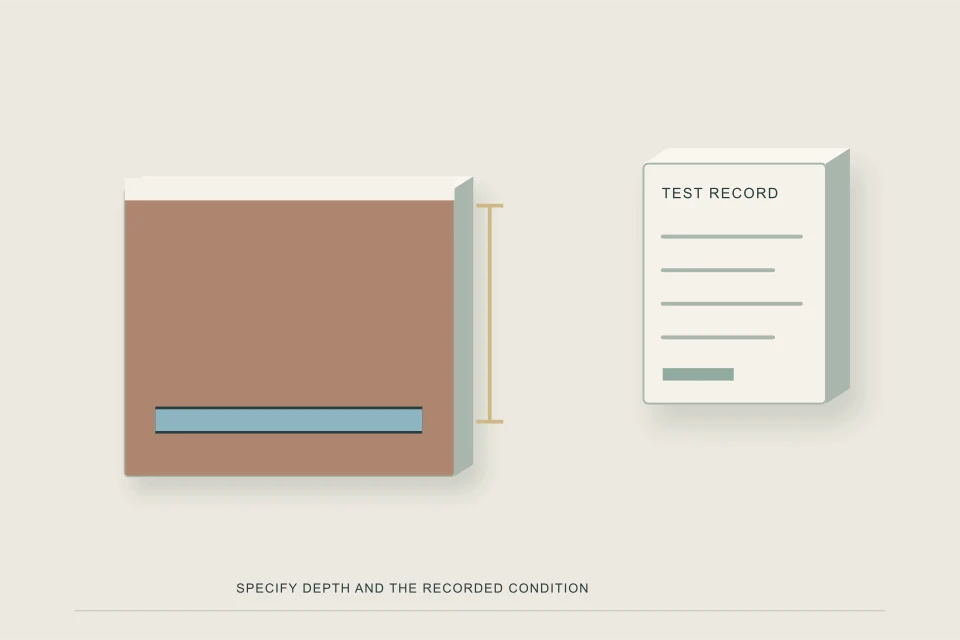
Winnipeg: lead water pipes and replacement
Winnipeg lead water pipes: the shut-off valve split, when the City replaces its lead pipe, licensed water contractors, free testing and service cover.
Frequently asked
Is the water line from the street to my house my responsibility?
Usually part of it is. Most Canadian utilities own the pipe from the main to the property line or curb stop, and the owner is responsible from there into the house. Check your utility's rule.
How do I know if my water service line is lead?
Look at the pipe where it enters, before the meter: lead is dull grey and soft, shows shiny silver when scratched lightly, and a magnet does not stick. Ask your utility for its record, and test the water.
Will the city pay to replace my lead water line?
It depends on the city. Halifax Water pays for both sides up to its limit; most cities replace their own side and leave the private side to the owner, sometimes with a grant or loan.
Can a water line be replaced without digging a trench?
Often, yes, from a pit near the curb stop and another at the house, by pulling, splitting or boring. The utility decides what may be done on its side.
Why did my water pressure drop suddenly?
A sudden drop shared with neighbours usually means work or a break on the utility side. If only your house is affected, check the main shut-off and pressure-reducing valve first.
Does a new water service line need a permit?
In most municipalities, yes. The utility or the building department issues it, and many lead programs require it before work starts to qualify for help.
Describe the problem once. Get a straight answer.
Describe the water-service issue and anything you already know — pipe material, affected taps, utility records and the scope you have been quoted. The HAUSE Sewer desk replies with next steps and, where available, a local contractor for the job.
Sewage backing up right now? Stop using water, keep people away from the water, and do not touch electrical equipment near it.