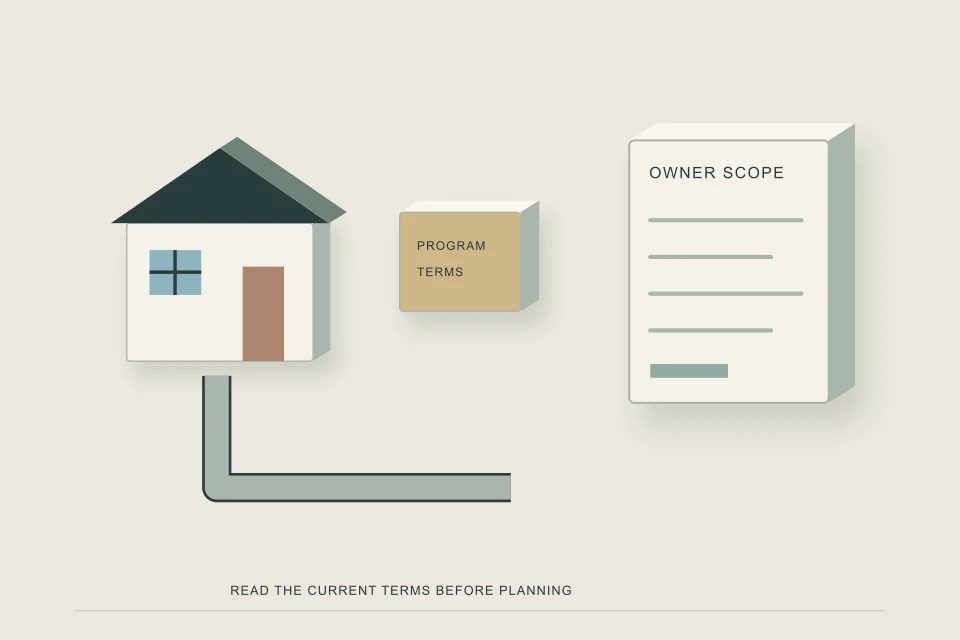
In Winnipeg you own the water pipe from your home to the shut-off valve, usually at the property line, and the City owns the valve and the pipe to the main. The City replaces its lead pipe whenever it renews a main or fixes a leak on it, and if you replace your side and the City side is lead, it replaces its part at its own cost as its schedule permits (as checked September 2026).
- The City owns the shut-off valve and the pipe from it to the main; the owner owns the pipe from the home to the valve.
- The City says homes built before the mid-1950s may have lead pipes, and about 87 percent of homes do not.
- Private replacement must be done by a City-licensed water contractor with a water connection service permit.
- Replacing during a main renewal can save money because the City fills the hole and restores the surface.
- Winnipeg has added orthophosphate at 2 mg/L since June 2000 and runs a free lead testing program launched in 2019.
01 /Where does the City's pipe end in Winnipeg?
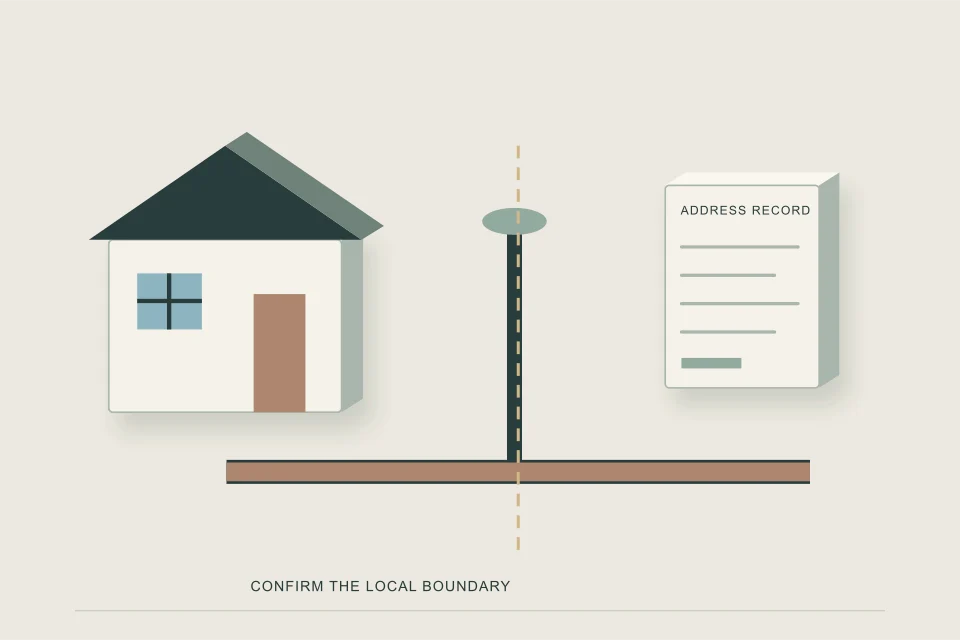
The City of Winnipeg says you own the water pipe from your home up to the shut-off valve, which is usually at your property line, and that the City owns the shut-off valve and the pipe from it to the water main. The City also says it does not trace private water or sewer pipes, and that contractor records of private lines cannot be relied on for accuracy, so the private route and material are yours to establish.
According to the City, homes built before the mid-1950s may have lead pipes, and approximately 87 percent of Winnipeg homes do not have lead water pipes. Check yours at the entry using the identification guide, or run the Lead Water Line Check, which applies the mid-1950s marker for Winnipeg.
02 /When does Winnipeg replace lead pipe?
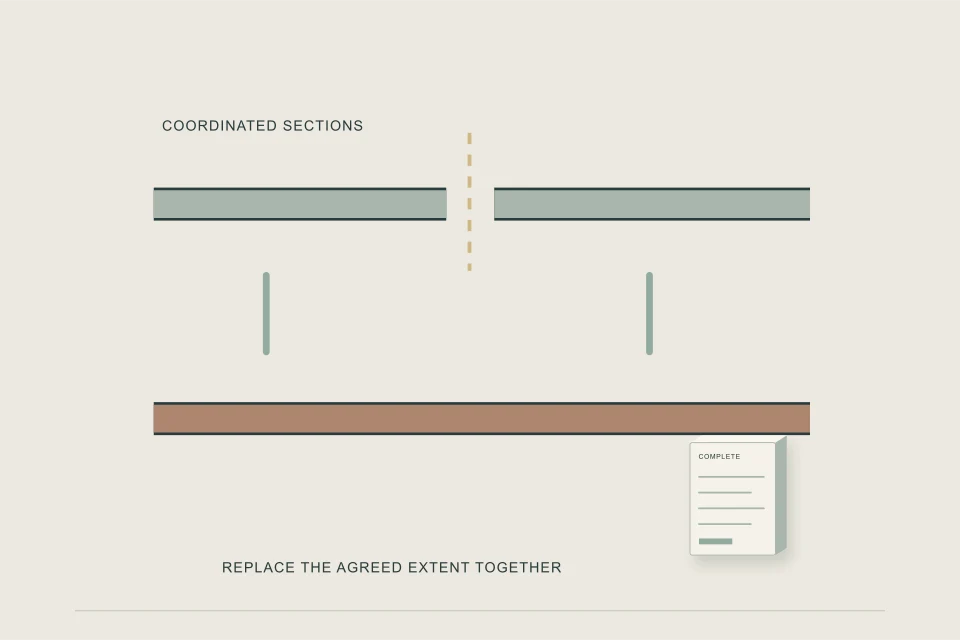
The City says that any time it replaces a water main or fixes a leak on City-owned lead pipe, it replaces all City-owned lead pipe with lead-free pipe. During a main renewal, the owner may choose to replace the private part at the same time. At other times, if an owner replaces the private side and the City side is lead, the City replaces its part as its schedule permits and pays for that work.
- Hire a licensed contractor
Private replacement must be done by a City-licensed water contractor with a water connection service permit.
- Get estimates
The City recommends getting at least three estimates.
- During a main renewal
The City fills the hole and restores the surface; the owner pays all other costs of replacing the pipe on their property.
- Outside a renewal
The City replaces its lead side, at its cost, as its schedule permits.
The City also advises that if your water pipe is lead and it leaks, you replace the pipe rather than repair the leak. A repair clamp on a lead service restores supply but leaves the lead, and disturbs it. The lead replacement guide explains why disturbing a lead line matters.
03 /What will a Winnipeg replacement cost?
The City does not publish a typical cost or offer a grant or loan for the private side. The saving it mentions is practical: doing the work during a main renewal, when the City backfills and restores the surface. Depth is the big cost driver in Winnipeg, where services are buried deep for frost, as the next section shows.
Ask each estimate to state the method, length, depth, entry point, whether a new main shut-off is included, and the restoration. The cost page lists the lines a good quote separates.
04 /How deep is a Winnipeg water service?
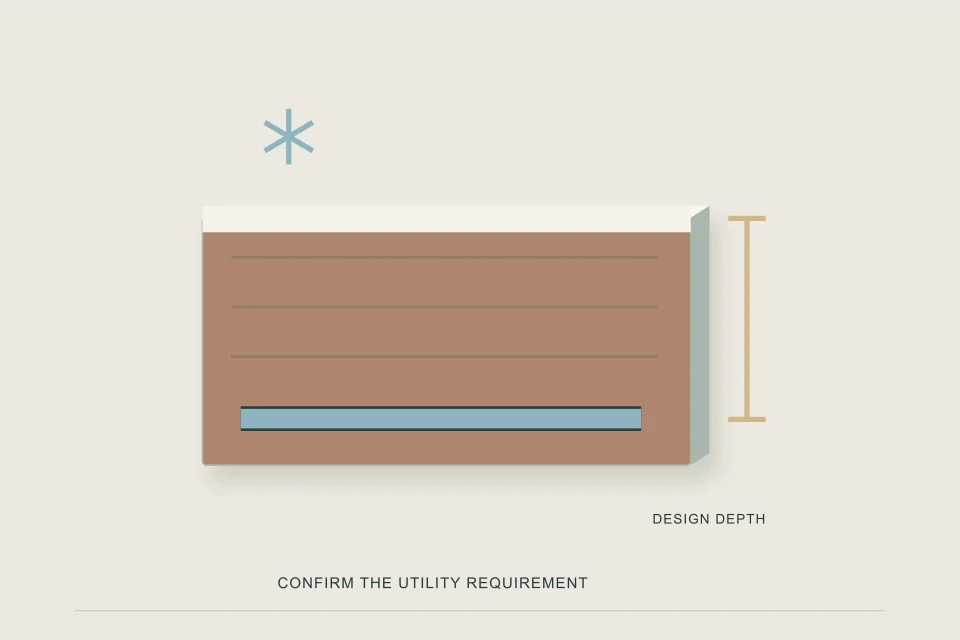
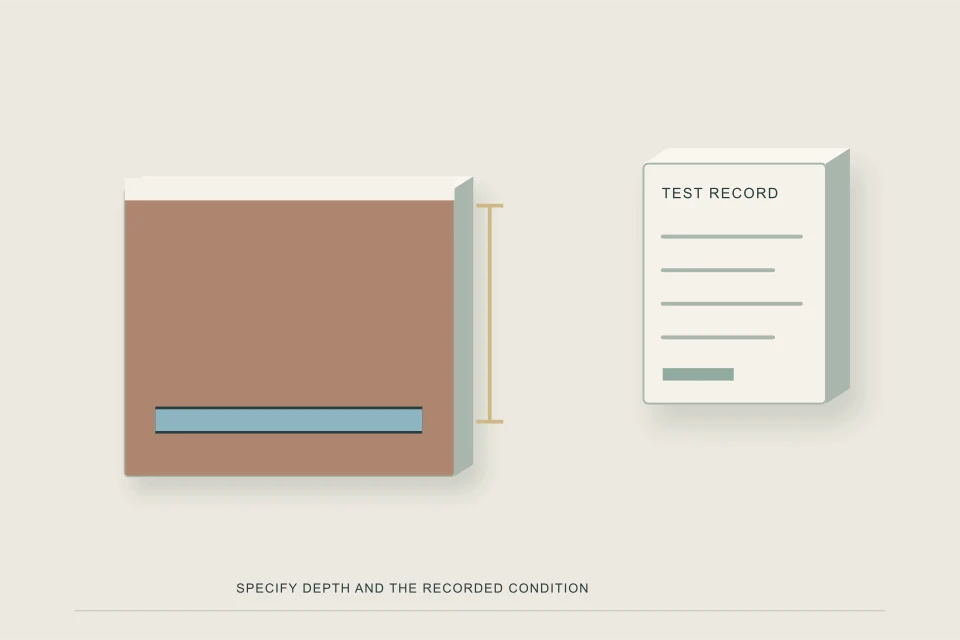
Winnipeg's standard construction specification CW 2110 (May 2023) calls for insulating water mains and water services where cover to final grade will be less than 2.1 metres, and sets the top of the gooseneck at the main at least 2.1 metres below finished grade. The City's water design guidelines describe mains with a minimum of 2.5 metres of ground cover. Those are design standards for the City's work; confirm the depth your permit requires for the private side.
Cold-climate depth is why a frozen service is a winter risk where cover has been reduced, for example by regrading. See frost and water line depth.
05 /How do Winnipeggers get their water tested?
Winnipeg runs a lead water quality testing program, launched in August 2019, with at least 200 tests a year and a volunteer waitlist. The City stresses that it does not go door-to-door, so treat any unsolicited visitor offering a test with suspicion and call 311. It has added orthophosphate to the water at 2 mg/L since June 2000 to reduce lead release, which helps but does not remove the pipe. The testing guide explains how samples are taken.
For low pressure, the Low Water Pressure Diagnosis uses the 30 psi (207 kPa) peak-hour minimum from the City's design guidelines as a reference. For quotes from contractors, send your details, and confirm they hold a City water contractor licence.
06 /What should I ask a Winnipeg water contractor?
- Licence and permit: confirm the City water contractor licence and who obtains the water connection service permit.
- Depth and method: how deep the pits will be and whether the route crosses a driveway.
- Coordination: whether a main renewal is planned on your street, which could save restoration costs.
FAQQuestions people ask
Who owns the shut-off valve on my Winnipeg water service?
The City. You own the pipe from your home to the valve, usually at the property line, and the City owns the valve and the pipe to the main.
Will Winnipeg replace its lead pipe if I replace mine?
Yes. If the City side is lead, the City replaces it at its own cost as its schedule permits.
Who can replace a private water pipe in Winnipeg?
A City-licensed water contractor, with a water connection service permit.
Does Winnipeg go door-to-door testing water for lead?
No. The City says it does not; testing is through its lead testing program. Call 311.