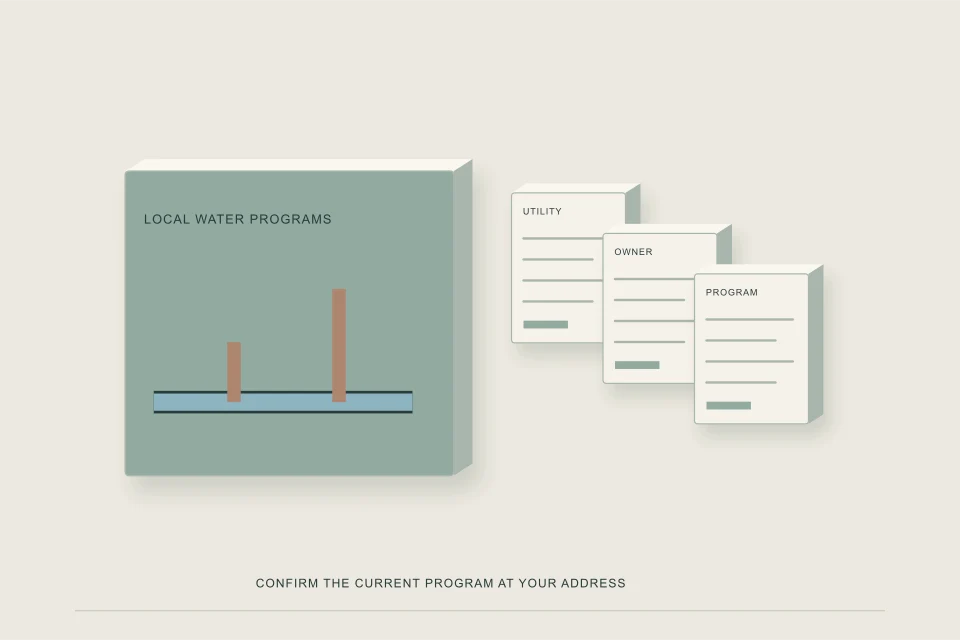
Canadian cities handle lead water service lines in three broad ways. Some replace both sides and pay most or all of it (Halifax). Some make private replacement mandatory and finance it (Montréal, Québec City, Regina, Saskatoon). Most replace their own side when the owner replaces theirs, sometimes with a grant or loan (Toronto, Hamilton, Guelph, London, Ottawa, Winnipeg, Calgary, Edmonton). All of it is checked against each city's own pages, September 2026.
- Every program is built to avoid partial replacement, which Health Canada says is generally not recommended.
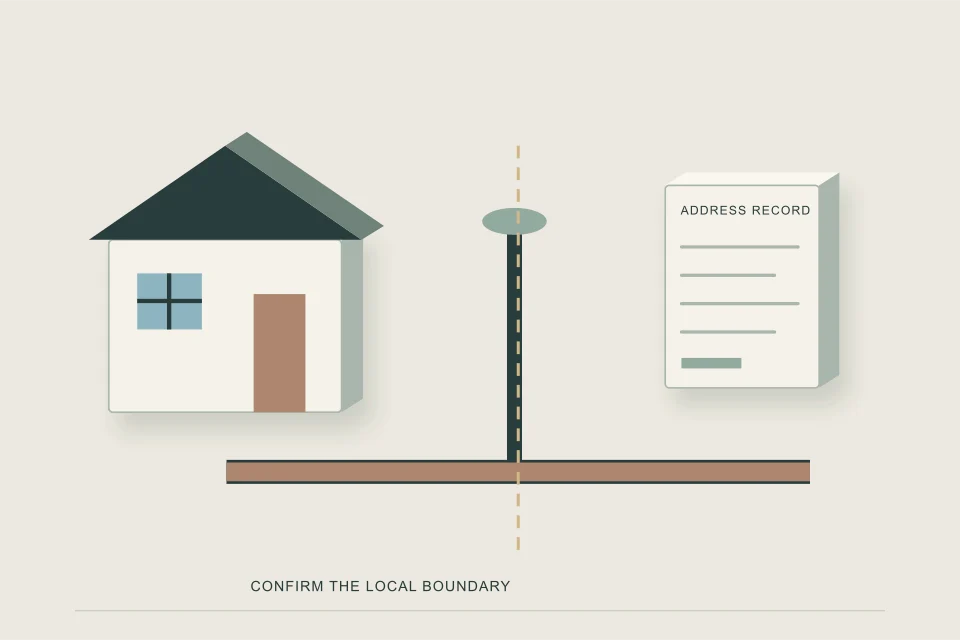
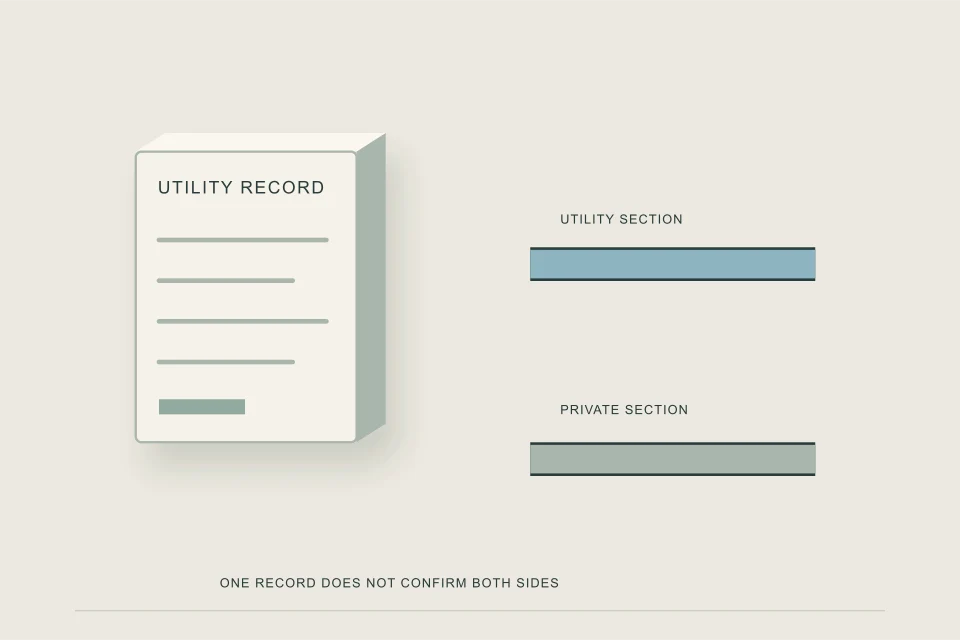
- The ownership split is usually the property line, but Ottawa, Winnipeg and Halifax describe it at the shut-off valve near it.
- Only Toronto and Montréal publish a typical private-side cost; other cities publish grant ceilings, loan limits or cost shares.
- Several programs require approval or a permit before work if you want the grant, loan or the city's side replaced.
- Free testing is offered in most, but not all, of these cities.
01 /How do Canadian city programs compare?
The table summarises what each utility publishes. Follow the city link for ownership details, era statements, contacts and sources. Where a city's page did not state something, the table says so rather than filling the gap.
| City | Split | City side | Private side and help | Deadline |
|---|---|---|---|---|
| Halifax | Shut-off near property line | Replaced by Halifax Water | Also replaced at no cost, up to $20,000 per replacement; or 25% rebate up to $5,000 if you go first | All by 2038 |
| Montréal | Property line | Free to owner | Mandatory; City average $1,200–$1,400 per metre, over up to 15 years | None stated |
| Québec City | Not stated | Replaced when lead is found | Mandatory within 4 years; grant 100% of eligible costs to $2,500 | None stated |
| Regina | Property line | Free once private side is done | Mandatory with the City side; interest-free deferral up to $10,000 | All by 2036 |
| Saskatoon | Property line | Both sides together | Owner pays 40% of the total; no partial replacement | January 1, 2029 |
| Toronto | Property line | Priority replacement, aim 12 weeks | Owner pays; no grant or loan | None stated |
| Hamilton | Property line | Replaced in 12–16 weeks | $3,000 loan on the water bill, up to 10 years | None stated |
| Guelph | Property line / curb stop | Free | Grant up to $2,000 ($1,000 with City work) | None stated |
| London | Property line | Free once private side is done | Loan on the tax bill over 10 years | None stated |
| Ottawa | Shut-off valve | With full replacement or main work | Rebate for private-only replacement; confirm terms | None stated |
| Winnipeg | Shut-off valve | City pays, as schedule permits | Owner pays; licensed water contractor | None stated |
| Calgary | Property line | Waits for the owner, then both | Owner pays; filter rebate | None stated |
| Edmonton | Property line | EPCOR replaces, avoids partials | Owner pays; free testing and filters | None stated |
02 /Why does every program try to replace both sides together?
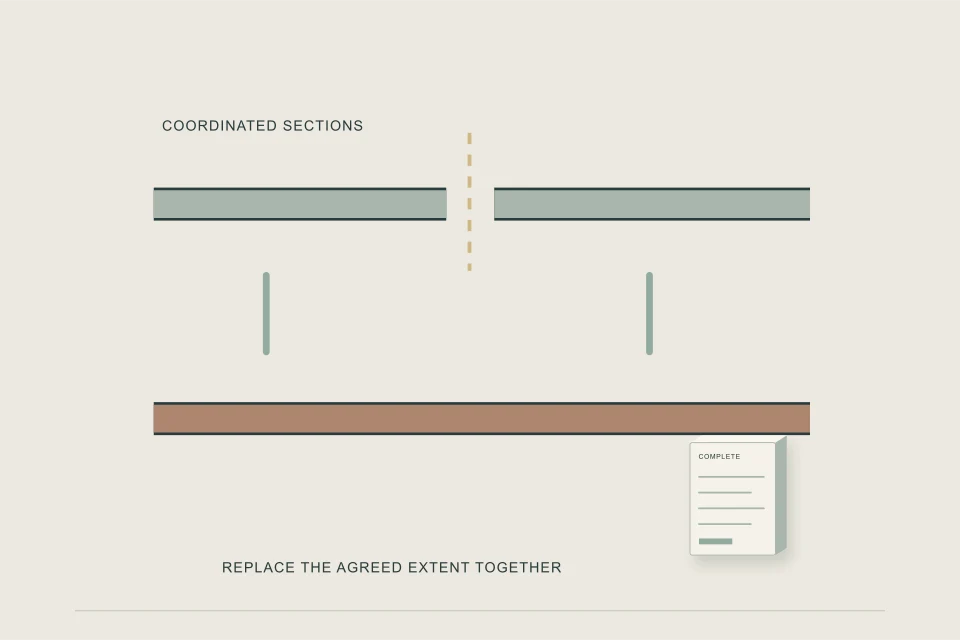
Because a half-done lead line can be worse for a while than an untouched one. Health Canada's corrosion guidance says partial lead service line replacements are generally not recommended, and its public advice notes that after a partial replacement some lead particles may detach from the remaining pipe for two to three months. So programs either replace both sides in one job, as in Halifax, Saskatoon and on Montréal streets, or make the city's replacement wait for, or follow closely behind, the owner's.
The same guidance adds that any galvanized portion of a service should be replaced along with the lead, which is worth raising with a contractor when your line is part lead, part steel. The lead replacement guide explains the coordination, and galvanized water lines explains the steel side.
03 /What if my city is not listed?
Start with the utility that bills you for water. Ask four questions: where ownership changes on your street, what its records show for the public side at your address, whether it offers testing or filters, and whether it has a replacement program with conditions you must meet before work starts. Health Canada notes that the National Plumbing Code allowed lead pipe for services until 1975, so a house built before then is worth checking anywhere in Canada.
Some utilities we checked had no replacement program on their pages. Utilities Kingston, for example, runs a regulation-driven community lead testing program with randomly chosen volunteers and says homes built before 1950 often have lead service lines, but we found no replacement grant or loan. The City of Vancouver says it is responsible for water up to the property line and repairs leaks on City property only. The Capital Regional District, which supplies Victoria, says very few old homes may have lead service lines. Those pages were checked in September 2026.
- Run the Lead Water Line Check with "Elsewhere in Canada" selected.
- Ask your utility the four questions above.
- Test the water through the utility or an accredited laboratory.
- Filter in the meantime if lead is likely.
04 /What should I have ready before calling my city?
- The address and build year, and any renovation records that mention the water service.
- A photo of the pipe where it comes through the floor or wall, before the meter and main shut-off.
- Test results, if you have them, with the date and how the sample was taken.
- Your plan: whether you want the city's side done now, and whether you will replace yours first.
Cost planning is on the water line replacement cost page, and the project steps are in the replacement process guide. When you want quotes, send your details.
FAQQuestions people ask
Which Canadian city pays the most toward lead service replacement?
Of the cities checked, Halifax Water goes furthest, replacing both sides at no cost to the owner up to $20,000 per replacement.
Which cities make private lead replacement mandatory?
Montréal, Québec City and Regina (when the City side is replaced) make it mandatory; Saskatoon replaces both sides together and does not allow partial replacement.
Do I need approval before replacing my lead line to get city help?
Often. Guelph requires approval and a permit before work, London's loan does not reimburse finished work, and Halifax's rebate needs an inspection before backfill.
Are these city programs current?
They were checked on each city's own pages in September 2026. Programs change, so confirm the terms with your utility before you commit.