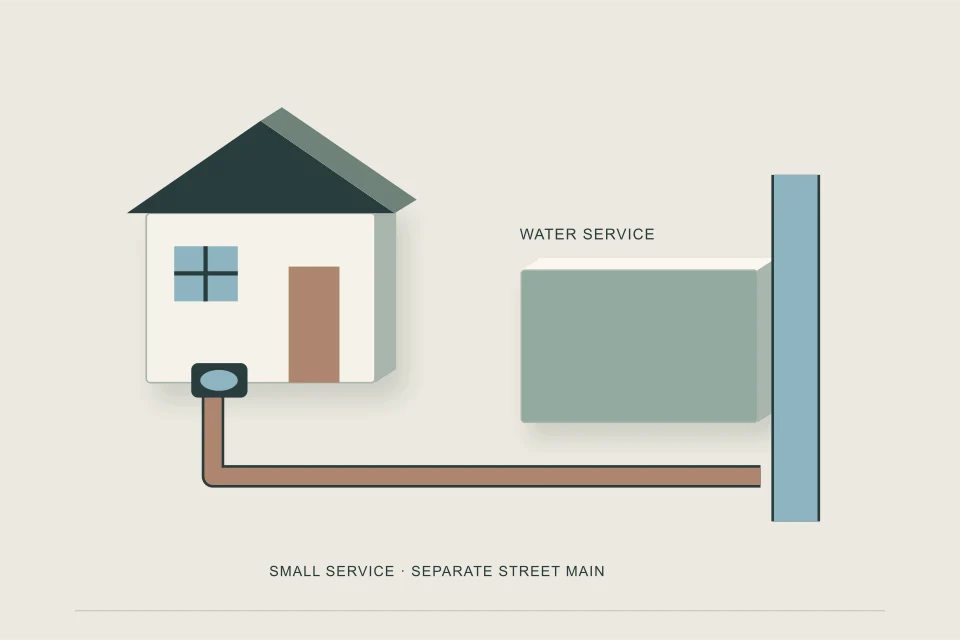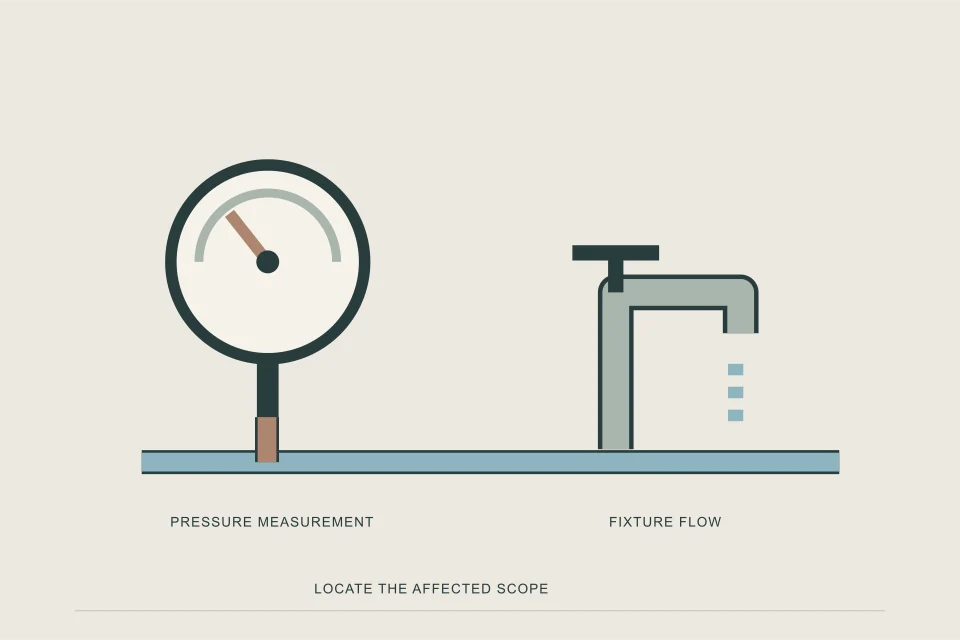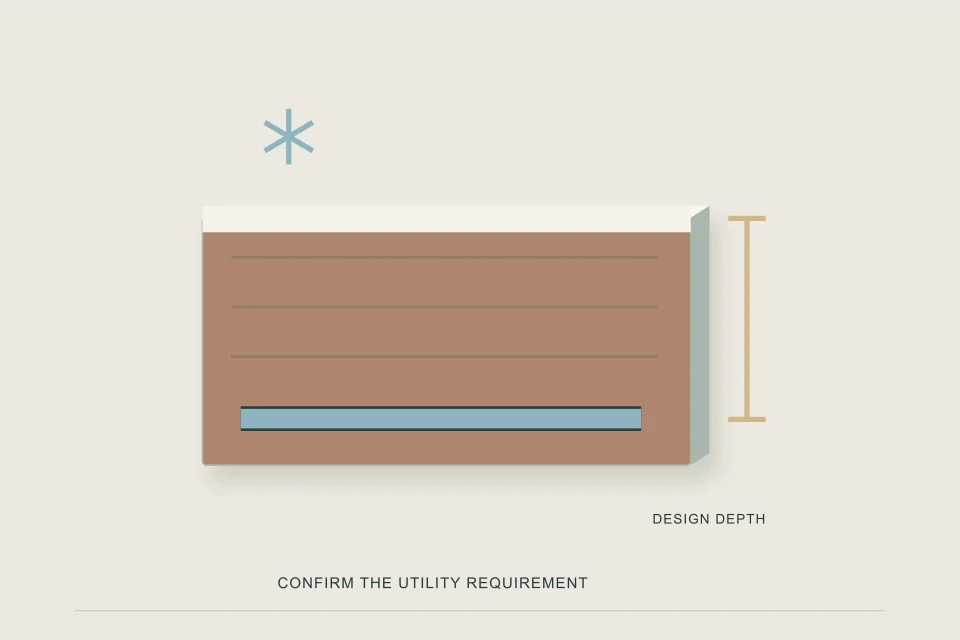
A water service is buried below the depth frost reaches, and cold cities set deep rules: Calgary requires 8.5 feet (about 2.59 m) of cover, EPCOR puts a new Edmonton service 2.59 to 2.89 m below grade at the property line, and Regina calls for 2.7 m. Services freeze where cover is thinner than designed, often under cleared driveways where frost goes deeper. A gradual pressure drop in cold weather is an early warning.
- Each city sets its own cover or depth rule; the national code only requires protection from freezing.
- Snow insulates the ground, so frost goes deeper under cleared driveways and walks than under lawns.
- Utilities Kingston treats any service buried less than 1.65 m deep as at risk of freezing.
- Winnipeg's specification calls for insulating services where cover will be under 2.1 m.
- A gradual drop in pressure during a cold snap is the time to call the utility, before the water stops.
01 /How deep is a water service line buried?
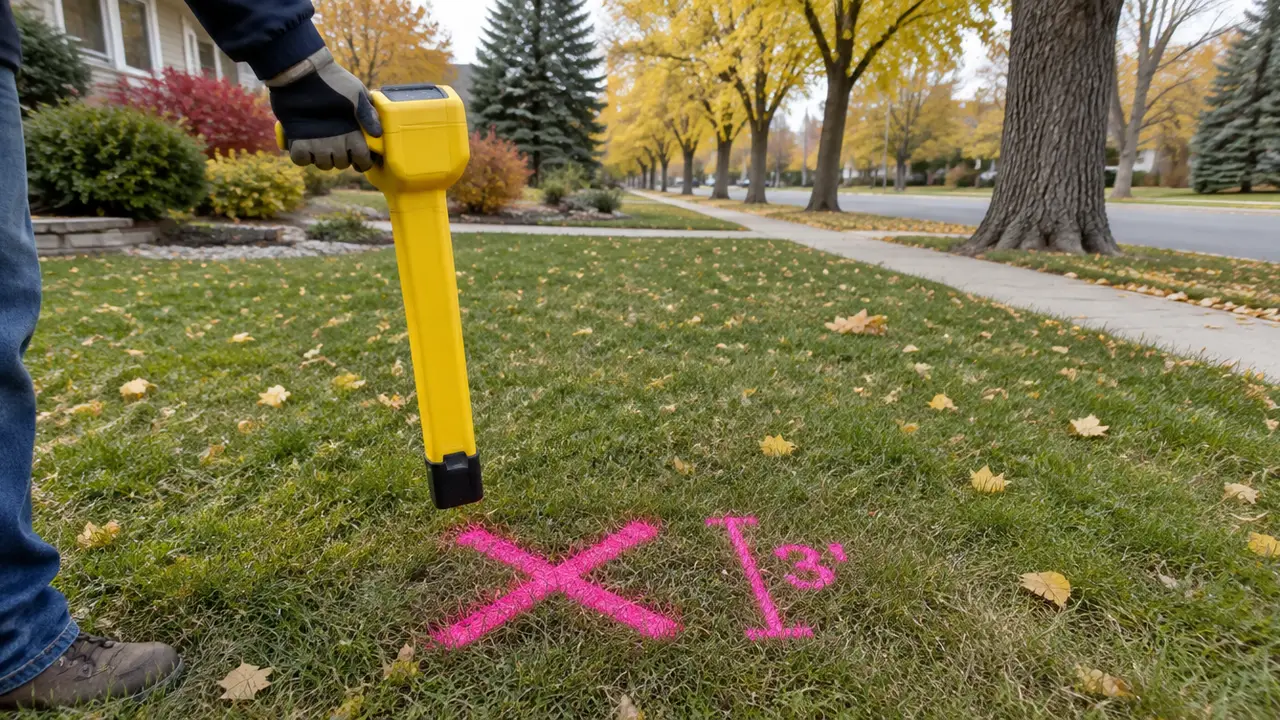
Deep enough that the water in it never freezes, and in Canada that is usually deeper than a sewer. The depth is set by the utility or municipality, because frost penetration varies so much across the country. Where published rules exist, they are specific, and they differ even between neighbouring prairie cities.
| Place | Rule | Where it comes from |
|---|---|---|
| Calgary | 8.5 ft (about 2.59 m) of earth cover over water services; 4.5 ft over sanitary | City infill plumbing rules |
| Edmonton | 2.59–2.89 m below finished grade at the property line | EPCOR Water Service Guidelines, May 2023 |
| Edmonton | Service invert 2.7 m ± 0.15 m below finished grade at the curb cock | EPCOR design standards, December 2024 |
| Regina | At least 2.7 m of cover over the full length of service lines | City construction specification |
| Winnipeg | Insulate water mains and services where cover will be under 2.1 m | City specification CW 2110, May 2023 |
| Kingston | Services less than 1.65 m deep are considered at risk of freezing | Utilities Kingston |
EPCOR publishes three documents with slightly different ranges, which is typical: design standards, service guidelines and customer guides are written for different purposes. For a permit, use the one your permit or designer names. Everywhere else, ask your utility for its standard before you plan a trench.
02 /Why does frost go deeper under a driveway?
Because snow is insulation. Undisturbed snow on a lawn traps ground heat and slows the frost; a driveway or walkway that is shovelled or ploughed all winter loses that blanket, and hard surfaces conduct cold well, so frost pushes deeper there. A service that is deep enough under the lawn can be marginal where it crosses the drive.
- Regrading: lowering the yard or cutting a driveway later removes cover the service was laid with.
- Obstacles: a service that rises over another utility, a footing or rock loses depth at that point.
- The foundation entry: the service comes up toward the basement; an unheated crawl space or cold room there can freeze it indoors.
- Lanes and walkways: in lane-serviced neighbourhoods the curb stop may sit under a cleared lane.
You can estimate your service's depth the way Utilities Kingston suggests: measure from where the service enters your home up to the ground surface outside.
03 /What are the signs a water service is freezing?
Usually a slow loss of pressure over hours or days during a cold spell, rather than a sudden stop. The City of Calgary says a gradual decrease in pressure in winter can be a sign of frozen water lines, and EPCOR notes lines inside the home can freeze from low temperatures, extreme wind chill and cold drafts, causing low pressure or no water.
- Check whether it is only your house
Ask a neighbour. A street-wide problem is the utility's.
- Check the indoor pipe
Feel the pipe where it enters the basement and look for frost on it or on the meter. Warm the room if it is cold, without open flames.
- Call the utility early
Report reduced flow while water still runs; a partly frozen line is easier to deal with than a solid one.
- Follow the utility's advice
Some utilities advise running a small stream of cold water during extreme cold for at-risk services; do it only if yours says so.
04 /Who pays when a water service freezes?
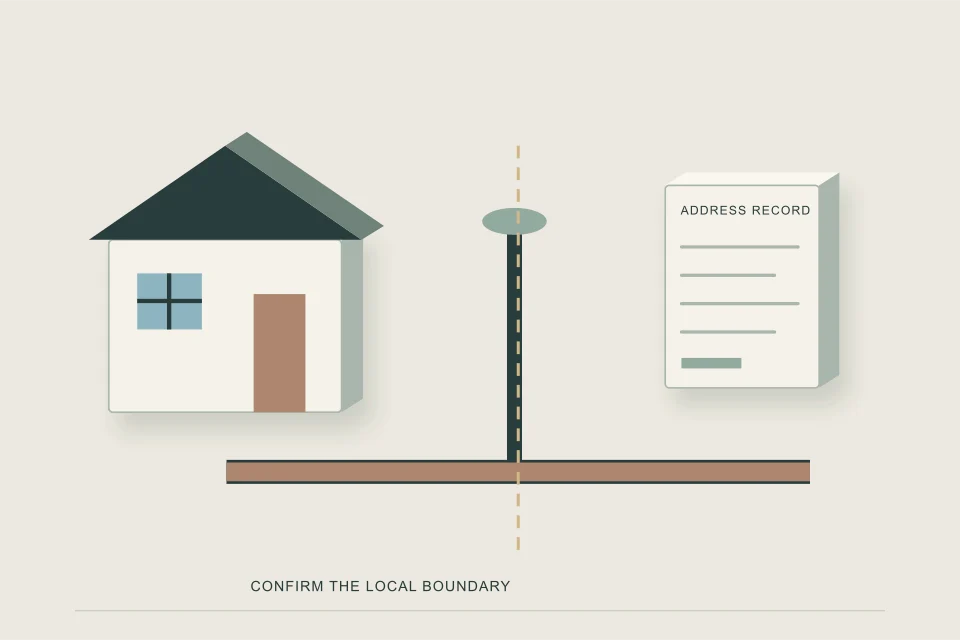
Whoever owns the frozen part, in most cities, which is why it matters whether the freeze is on the utility side or yours. Ownership usually changes at the property line or curb stop; see who pays for water line repair. Some utilities treat frozen services as a program of their own and publish a separate page on them, as Utilities Kingston does, so ask what yours offers before calling a contractor.
Guelph goes further for chronic cases: its private-side replacement grant also covers private water lines with a history of freezing, not only lead lines. If your service freezes every hard winter, replacing it deeper, or insulating it to a designer's detail, is usually the lasting fix.
05 /How is a shallow water service fixed for good?
Either by putting the pipe deeper, or by keeping the cold away from it. Lowering the service to the utility's standard depth is the complete fix and is often combined with replacing an old lead or galvanized line. Where depth cannot be gained, rigid insulation board laid over the pipe to an engineered or utility detail reduces frost penetration; Winnipeg's specification calls for insulation where cover will be under 2.1 m.
| Option | When it fits | What to confirm |
|---|---|---|
| Relay deeper in a trench | Short runs, or when the line is being replaced anyway | Utility depth standard, shoring for a deep trench |
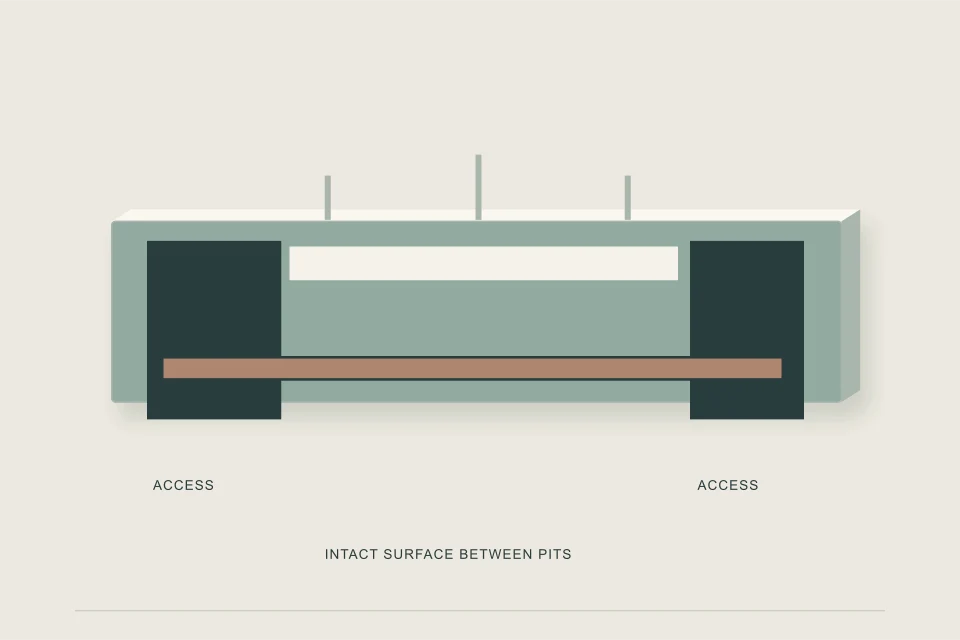
| Bore a new deeper path | Long runs, driveways, landscaping | Pit depth at each end, clearances to other utilities |
| Insulation board over the pipe | Where an obstacle prevents depth | The utility's or designer's detail |
| Insulate the indoor section | Freezing at the entry or in a crawl space | Heat and drafts in that room |
Deep services are one of the strongest cases for trenchless replacement: a 2.6-metre trench across a yard needs protective systems, while two pits keep the digging short. See trenchless water line replacement and the cost page. For quotes on relaying a shallow service, send your details.
06 /Can I protect an existing shallow service without digging?
Partly. Nothing above ground makes a shallow buried pipe deep, but you can reduce how far frost reaches it. The most effective surface step is leaving snow on the ground over the service route instead of clearing it, since undisturbed snow insulates. Avoid parking or piling cleared snow in ways that compact it over the line, and avoid regrading that removes soil above it.
- Know the route: the line usually runs straight from the curb box to where it enters the house.
- Keep the snow blanket over that route on lawns.
- Keep the entry room warm: a cold room, crawl space or garage where the service comes up is a common freezing point indoors.
- Seal drafts around the pipe where it enters through the wall.
- Call early: tell the utility about slowing flow before the line freezes solid.
These are stopgaps. A service that freezes in ordinary winters is below the local standard somewhere along its length, and the lasting fixes are depth or engineered insulation, described above. If you are replacing an old lead or galvanized service anyway, that is the moment to lower it; see lead service line replacement.
FAQQuestions people ask
How deep should a water line be buried in Calgary?
Calgary's infill rules require 8.5 feet, about 2.59 metres, of earth cover over water services for frost protection.
How deep is a water service in Edmonton?
EPCOR's May 2023 guidelines put new private services 2.59 to 2.89 m below finished grade at the property line.
Why does a water service freeze where it crosses the driveway?
Cleared surfaces lose the insulating snow cover, so frost goes deeper there. A service with marginal cover freezes first at that crossing.
How do I know how deep my water service is?
Utilities Kingston suggests measuring from where the service enters the house up to the ground surface; the utility may also have records.
Should I leave a tap running to stop the water line freezing?
Only if your utility advises it for your service. Some do during extreme cold for services known to be at risk.
Why did my water line freeze after we regraded the yard?
Lowering the ground or cutting in a driveway removes cover the service was laid with, so frost reaches it. Measure the depth and ask about lowering or insulating it.
NETWORKGo deeper across the HAUSE Sewer network
How to clean outside drain pipes: downspouts, yard drains and weeping tile
How to clean outside drain pipes in Canada: downspout leaders, yard drains, weeping tile, sump lines and the sewer cleanout, plus thawing frozen lines.
SewerCleaners.caSeasonal sewer risks: spring thaw, heavy rain and winter freeze
Seasonal sewer risks in Canada: spring thaw and snowmelt, summer storms and surcharges, fall roots and leaves, and winter freeze, with a checklist for each season.
DrainAugering.caHow to snake a drain from outside the house
How to snake a drain from outside: using an exterior cleanout, why weeping tile and septic drain fields are different, and what to do when the line is frozen.