Guelph replaces the pipe from the water main to the property line at no cost, and offers grants of up to $2,000 toward replacing the private lead service from the curb stop to one metre inside the foundation. The grant usually covers about 80 percent of the cost, is capped at $1,000 when the work is done together with the City side, and requires approval and a permit before work starts (as checked September 2026).
- The City replaces the public pipe from the main to the property line at no cost to the owner.
- Private-side grants reach $2,000 when done independently and $1,000 when done together with the City-side work.
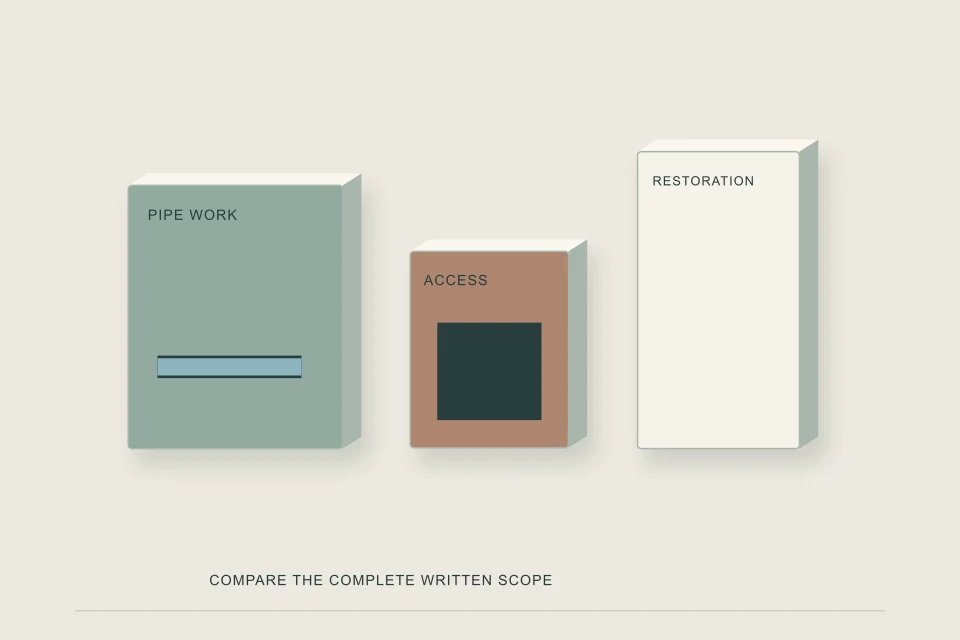
- The grant covers the pipe from the curb stop to one metre inside the foundation; restoration and interior plumbing are not eligible.
- Apply and get a building permit before work begins, start within 90 days of approval, and agree to sampling afterwards.
- A filter rebate pays up to $100 a year for an NSF 53 filter, for owners or tenants.
01 /What does Guelph pay for, and what does the owner pay for?
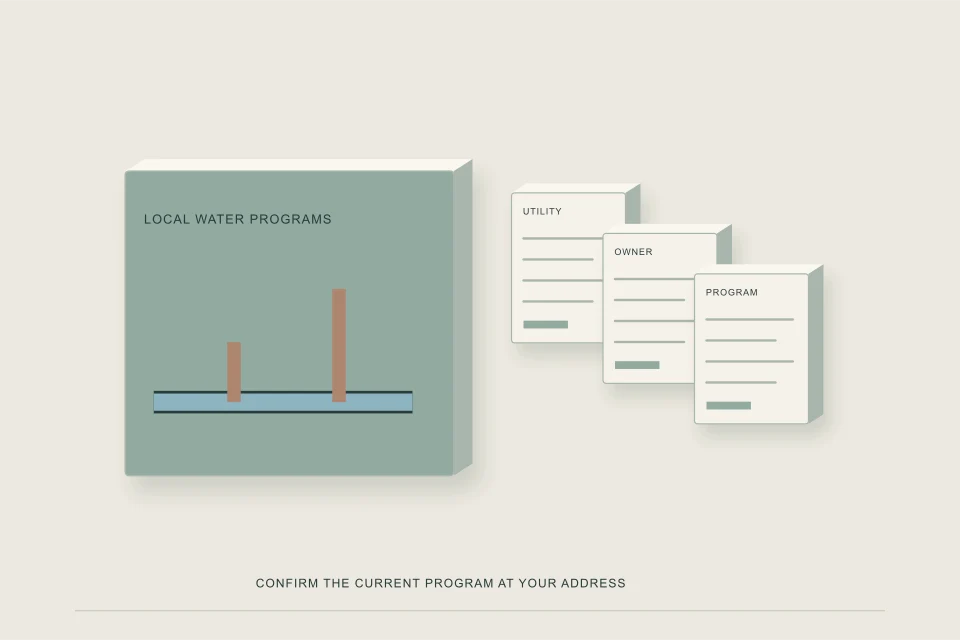
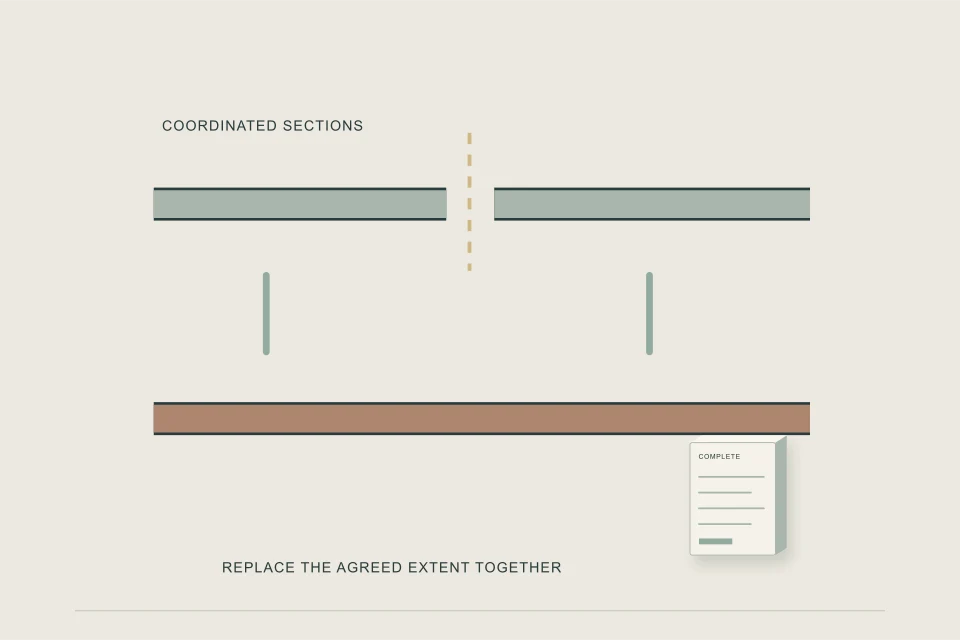
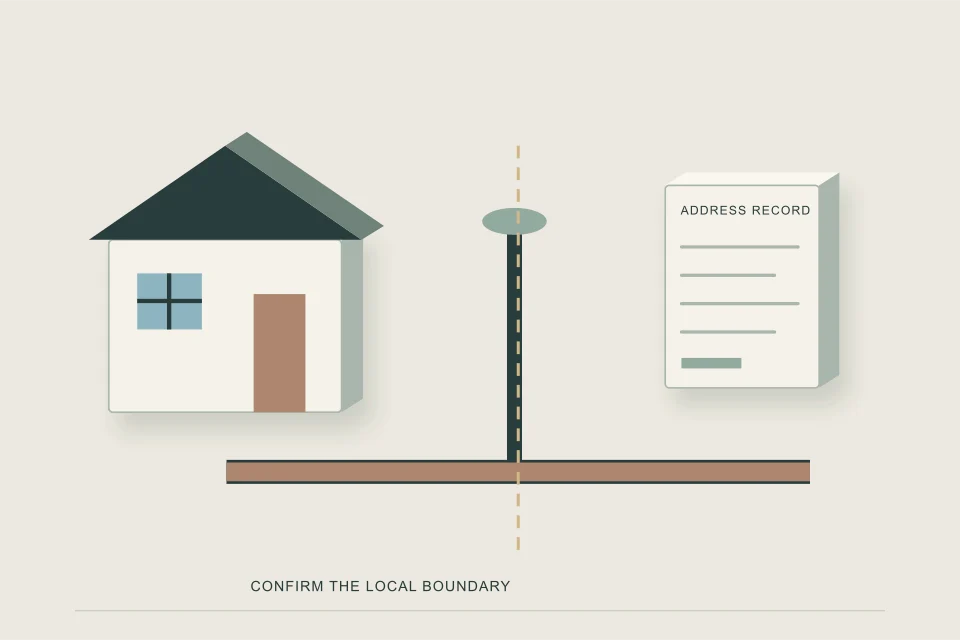
The City replaces the pipes that run from the municipal water main to your property line at no cost. The grant-eligible private work runs from the curb stop at or near the property line to one metre inside the building foundation. Guelph Water Services says it has proactively replaced more than 1,000 lead services on the City-owned portion over the last 20 years, so on many older streets the City side is already done and the private side is what remains.
The City asks owners of homes and businesses built before the mid-1950s to test for lead. The identification guide shows what to look for where the pipe enters the basement.
02 /How large is the Guelph grant?
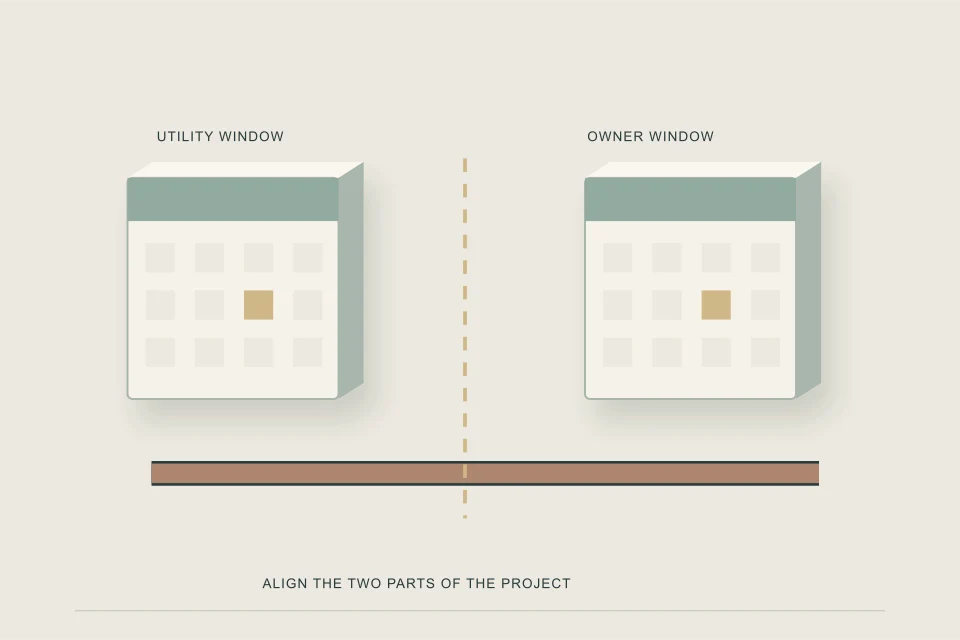
Guelph offers grants of up to $2,000, and says the grant usually covers 80 percent of the cost depending on the length of the lead service line. The program terms set two ceilings: $1,000 if the private work is done together with the City's replacement of its side, and $2,000 if it is done independently. The grant also applies to private water lines with a history of freezing, which matters for shallow services.
| Condition | What the terms say |
|---|---|
| Maximum, done with City-side work | $1,000 |
| Maximum, done independently | $2,000 |
| Typical share | About 80% of the cost, depending on length |
| Eligible pipe | Curb stop to one metre inside the foundation |
| Not eligible | Restoration and internal plumbing |
| Before work | Apply, be approved and obtain a building permit |
| Start date | Within 90 days of approval |
| After work | Agree to post-replacement sampling |
| Priority when funds are limited | Households with a child under six or a pregnant person |
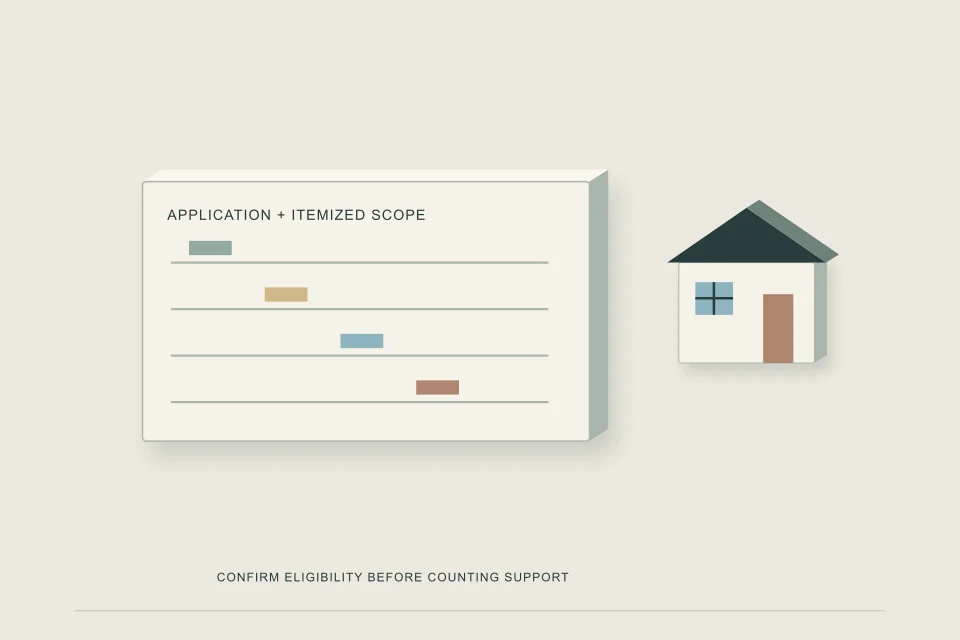
The timing rule is the one people trip on: work that starts before approval and a permit is not eligible. Book quotes first, apply, wait for approval, pull the permit, then book the contractor, and start within 90 days. The cost page compares Guelph's grant with help in other cities.
03 /Does Guelph test for lead and help with filters?
Yes. The City says that if your home or business was built before the mid-1950s, a lead test is free and results come back within a week. Its filter rebate pays up to $100 per calendar year toward a filter certified to NSF 53, and both homeowners and tenants can apply. The testing guide covers how to sample so the result means something.
- Book the free lead test and check the pipe with the Lead Water Line Check.
- Ask the City (519-822-1260 extension 2263) whether the City side at your address is already replaced.
- Collect written quotes for the private side that separate the pipe work from restoration.
- Apply for the grant, wait for approval, obtain the building permit, then book the work within 90 days.
- After replacement, complete the post-replacement sampling the terms require.
The water shut-off and restore line (extension 5628) arranges the curb stop for the day of work. For quotes on a private-side replacement, send your details.
04 /What if my Guelph service keeps freezing rather than being lead?
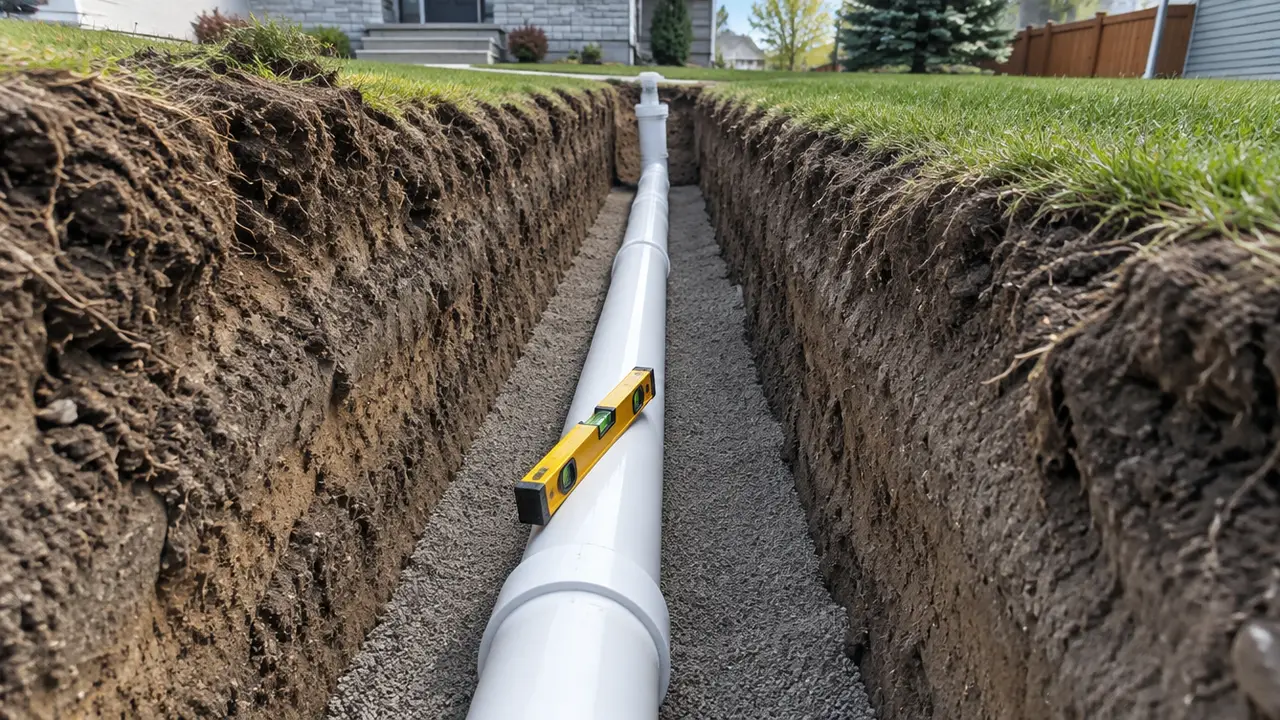
Guelph's grant is unusual in covering private water lines with a history of freezing, not only lead lines. A service that freezes in ordinary winters is almost always too shallow somewhere, often where it passes under a cleared driveway or rises over an obstruction. Replacing it deeper, or insulating it to a designer's detail, removes the cause.
- Record the history: dates the service froze, and any utility or contractor visits.
- Measure the depth where the service enters the house to the ground surface outside.
- Ask the City whether your case qualifies under the frozen-line provision before any work.
- Plan the route: a new deeper bored path avoids trenching the driveway.
The same permit-first rule applies. The frost depth guide explains why frost goes deeper under cleared surfaces and how shallow services are fixed.
FAQQuestions people ask
How much is Guelph's lead service grant?
Up to $2,000 when the private side is replaced independently, or up to $1,000 when done together with the City side, usually about 80 percent of the cost.
Can I start the work before Guelph approves my grant?
No. The terms require approval and a building permit before work starts, and work must start within 90 days of approval.
Does Guelph's grant pay for landscaping after the dig?
No. Restoration and internal plumbing are listed as ineligible costs.
Is lead testing free in Guelph?
Yes for homes and businesses built before the mid-1950s, with results within about a week.
Does Guelph's grant cover a water line that keeps freezing?
Yes. The program terms say the grant also covers private water lines with a history of freezing, subject to the same approval and permit rules as lead lines.
Who gets priority for Guelph's lead grant when funds run short?
Households with a child under six or a pregnant person, according to the program terms.
Can tenants in Guelph get help with a lead filter?
Yes. The filter rebate of up to $100 per calendar year for an NSF 53 filter is open to homeowners and tenants.